

Special Dispatch. Venice.
Notes on the most romantic and haunted city (in my books).

I have accidentally fallen into a tradition of visiting Venice out of season — a habit that began by chance when my now husband invited me to go there eleven years ago, and where he got on one knee inside a Riva boat used as a taxi (a gondola being a step too far into cheesy). It was a relatively warm October day, and the whole city seemed to be celebrating the marriage of one of Hollywood’s most stubborn bachelors — George Clooney to Amal.
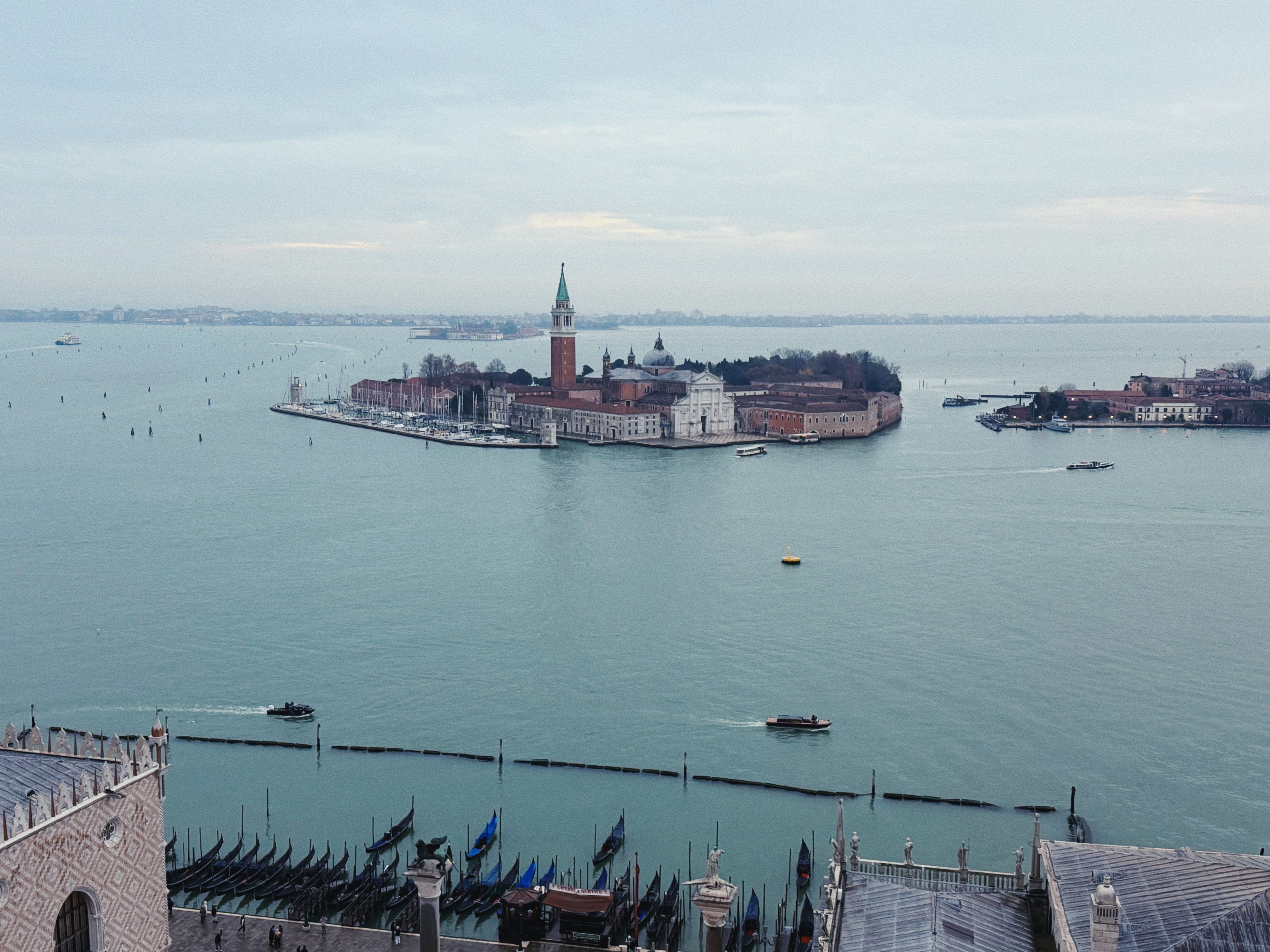
Nine years later, battered by the pandemic, never-ending lockdowns, and the first winter without any respite but with an abundance of new, vile viruses that kept battering my children and myself, I made a hasty decision: arrange some childcare for a few days and jump on a 7am Ryanair flight to Venice. Why Venice, I really don’t know — did I somehow sense it would be pale and quiet, filled with art and beauty, everything I felt so deprived of while wilting away in Dublin?
It was a strange decision, but one I came to regard as one of the best. I’ve been coming in early December or November for three years now, and I hope to keep it a tradition.
Sometimes I think the reason I’m so drawn to it is the absolute deprivation of beauty that defined the first twenty years of my life. Born and raised in a big city in the middle of the vast Siberian plain, a city too young to have any real history — not the kind you find in Europe or Asia, where civilisations blossomed for hundreds of years. Nobody wanted to live in Siberia, and there was surely a reason for that. There is little need for beauty, art, or philosophy where you are mostly preoccupied with your physical survival.
All those years of long, dark winters and suffocating, dusty summers have turned me into a beauty junkie: I will seek out beauty anywhere, feeling docile and devoid of energy when I’m deprived of it, when there is nothing for the eye to savour. I believe my obsession with fashion and the accumulation of beautiful clothes stems from the same root.
I sometimes wonder — what is it like to have grown up in a place like Venice, Florence, Rome, Paris, London, or Vienna? To have such easy access to all these treasures, the best of what European civilisation has to offer? Do you care? Do you appreciate it? Do you take it for granted? Does one need to experience thirst to acknowledge abundance?
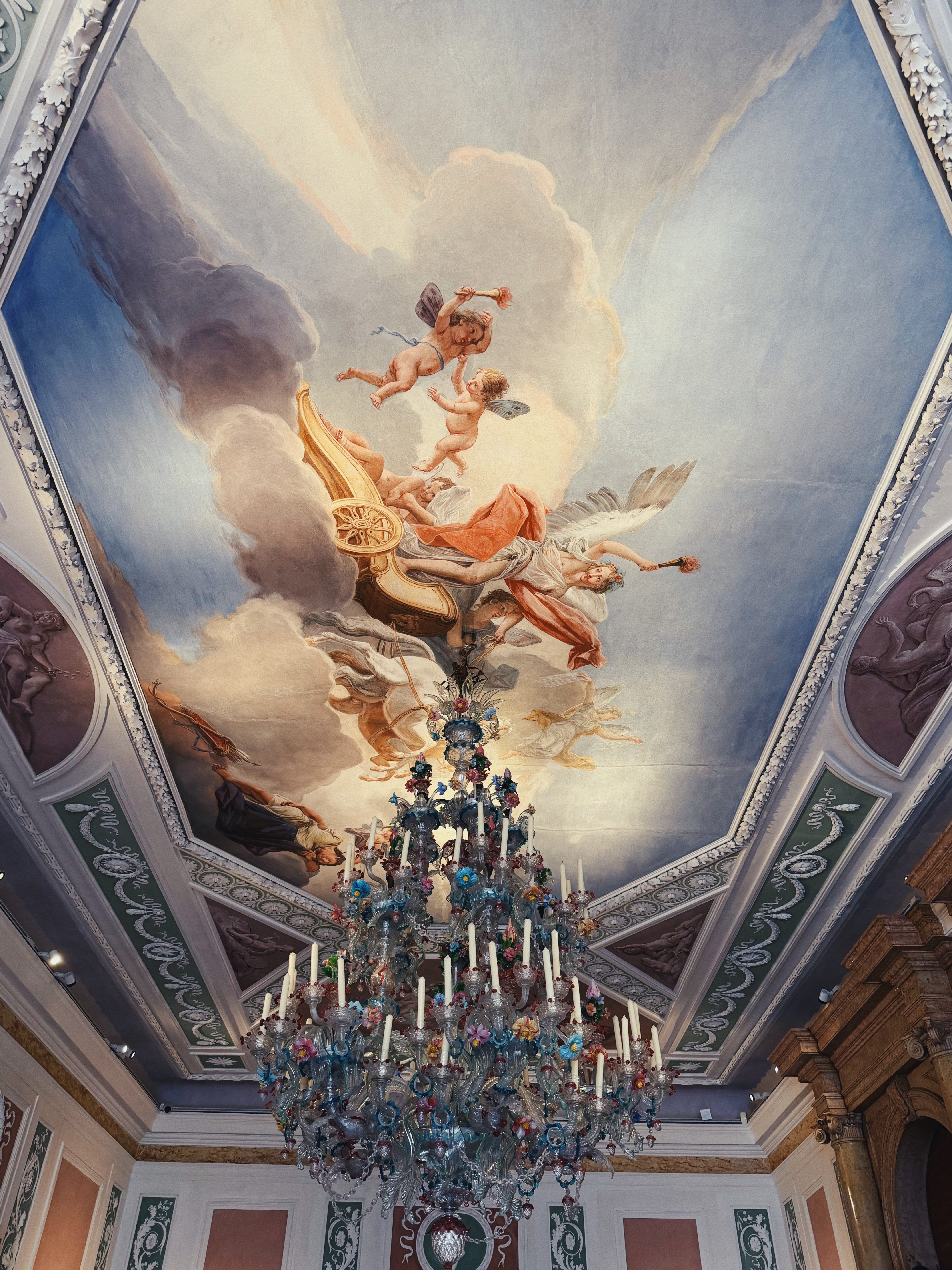
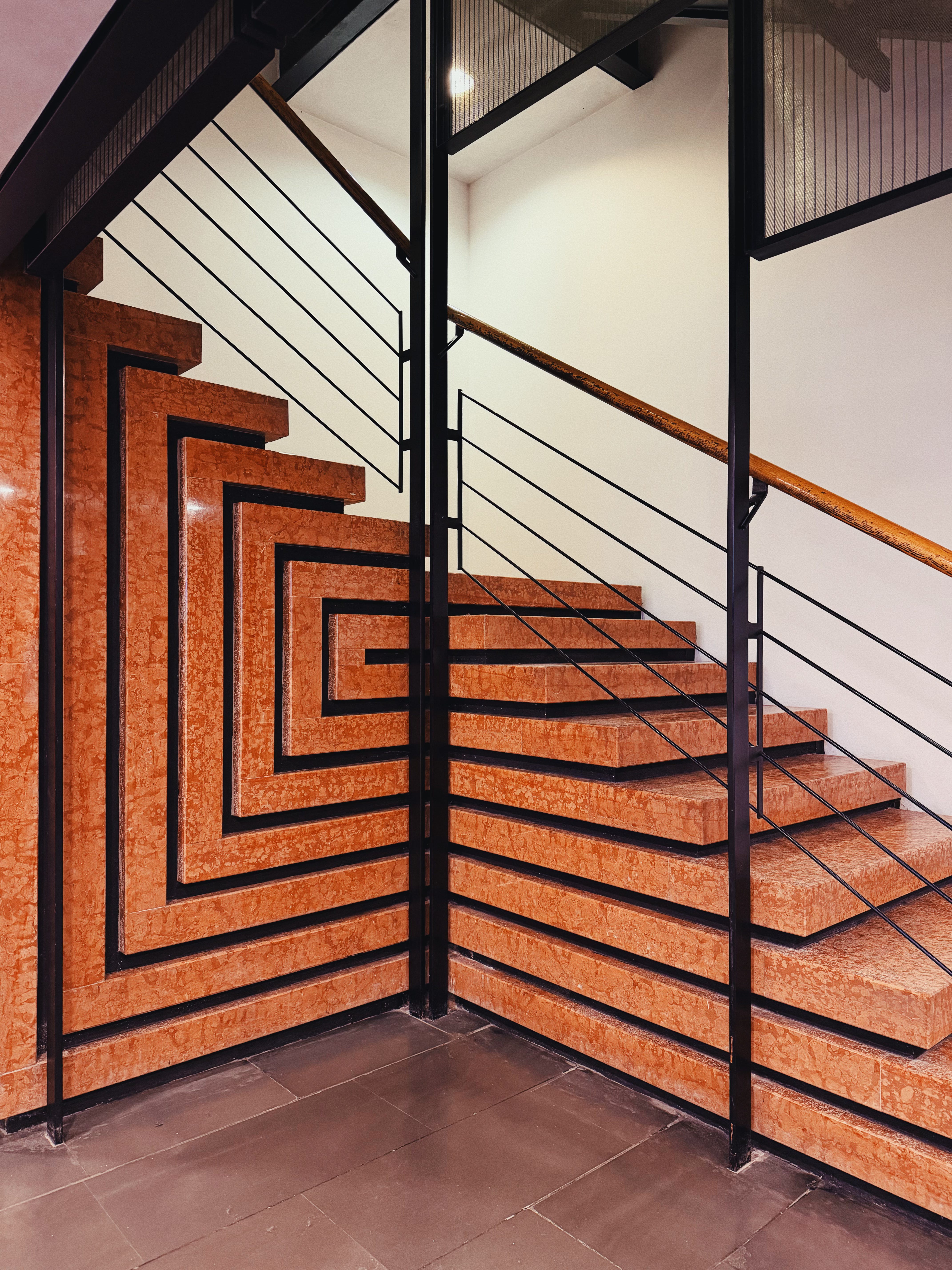
I’m nestled under the crispy blankets of my large bed, beneath two hundred years old frescoes, watching Brodsky rummage around Venice some thirty years ago, pointing out San Michele where Stravinsky and Diaghilev are buried, and now him too — in a Protestant part of the graveyard (I did not know that at the time), because he was not baptised Orthodox and so could not be buried among the other exiled members of the aristocracy and the art world.
I take a sudden spurt towards a vaporetto, perhaps encouraged by the tangy-sweet Bellinis at the nearby Harry’s Bar, where Brodsky himself used to come.
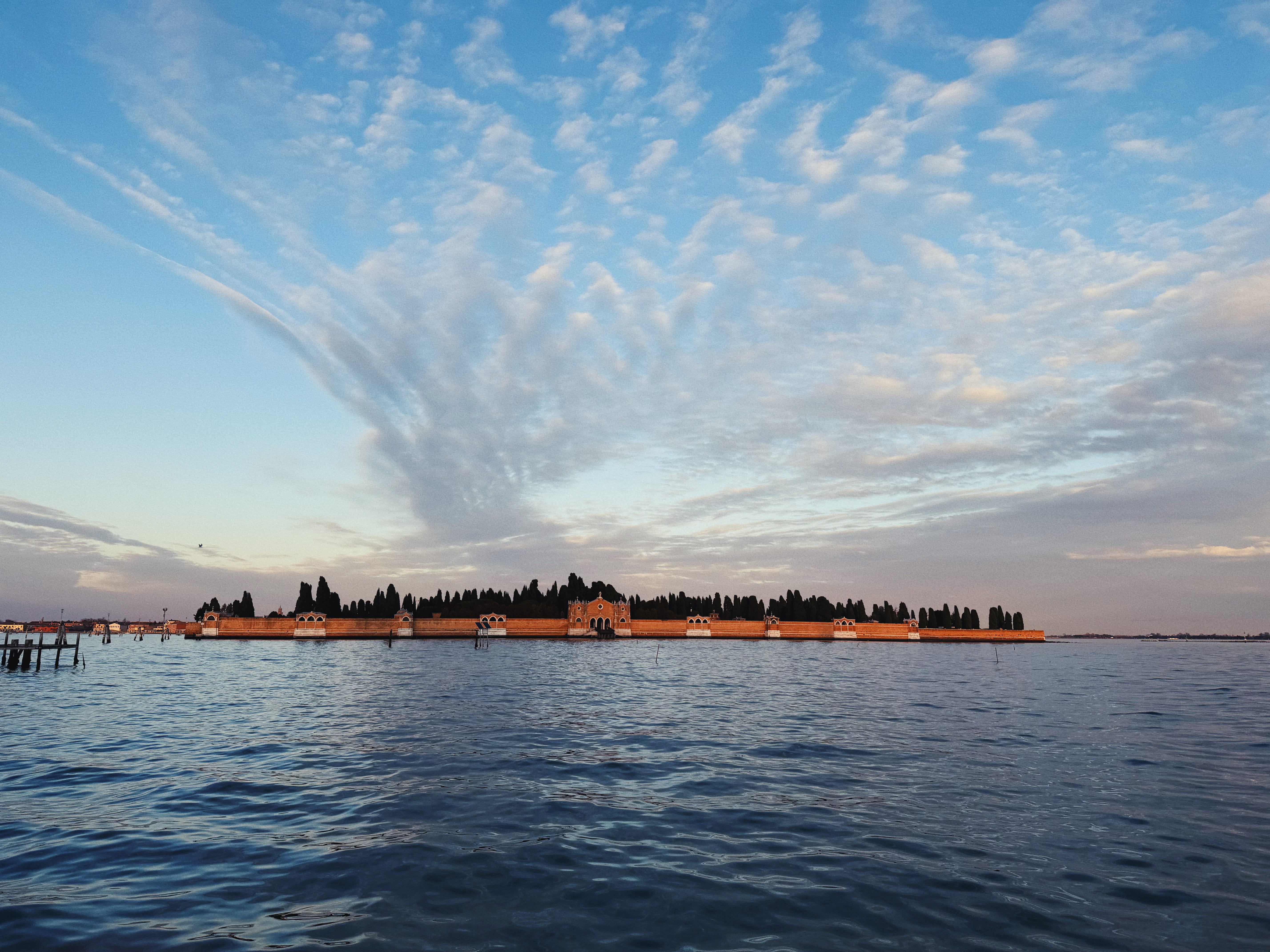
I catch the boat and arrive at the island of the dead at ten minutes past four in the afternoon. The cemetery closes at half past, and as I race through the combed paths between the graves, sharp stones crunching under my shoes, trying to locate Brodsky’s, the loudspeaker announces that I should be making my way to the exit. The pin on Apple Maps is wrong. I cannot find the grave. I wonder what will happen if I’m late to the gate — will they lock it, throw the big key in their backpack, and set off on the last boat off the island, leaving me behind? Will I have to spend the night here, haunted by the ghosts of all those contained within this walled patch of land in the middle of the lagoon?
I scramble for directions online; I keep going the wrong way. Ten minutes left. Seven. I find the Russian section — here’s Stravinsky, my favourite composer, along with his wife. Here’s Diaghilev, whose ability to live with such gusto I so admired when reading his biography. Here is a beautiful statue of resting Sonia, a bouquet of fresh tulips resting atop — who is she? Do the descendants of this noble family still live in Venice, or at least visit?
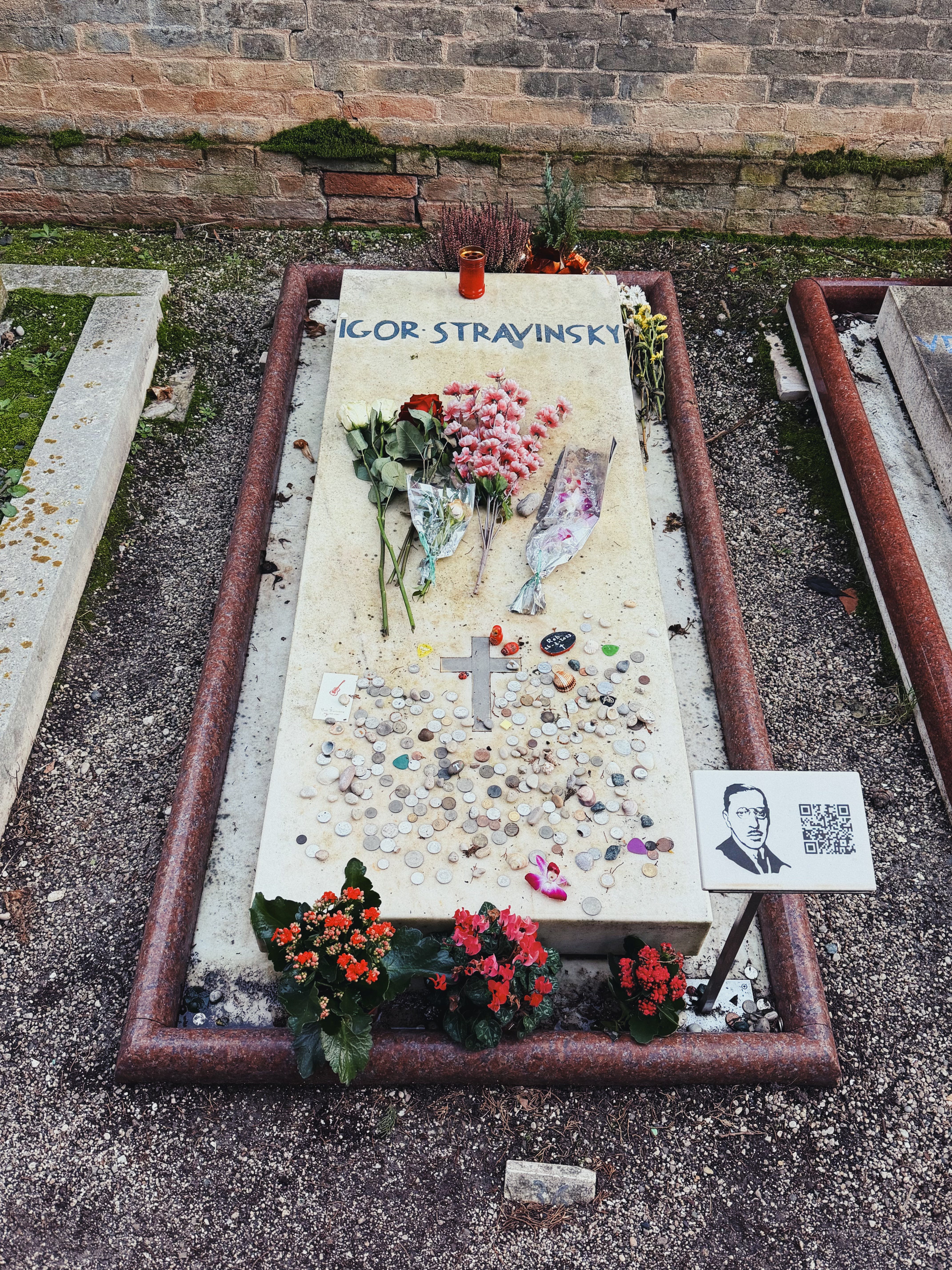
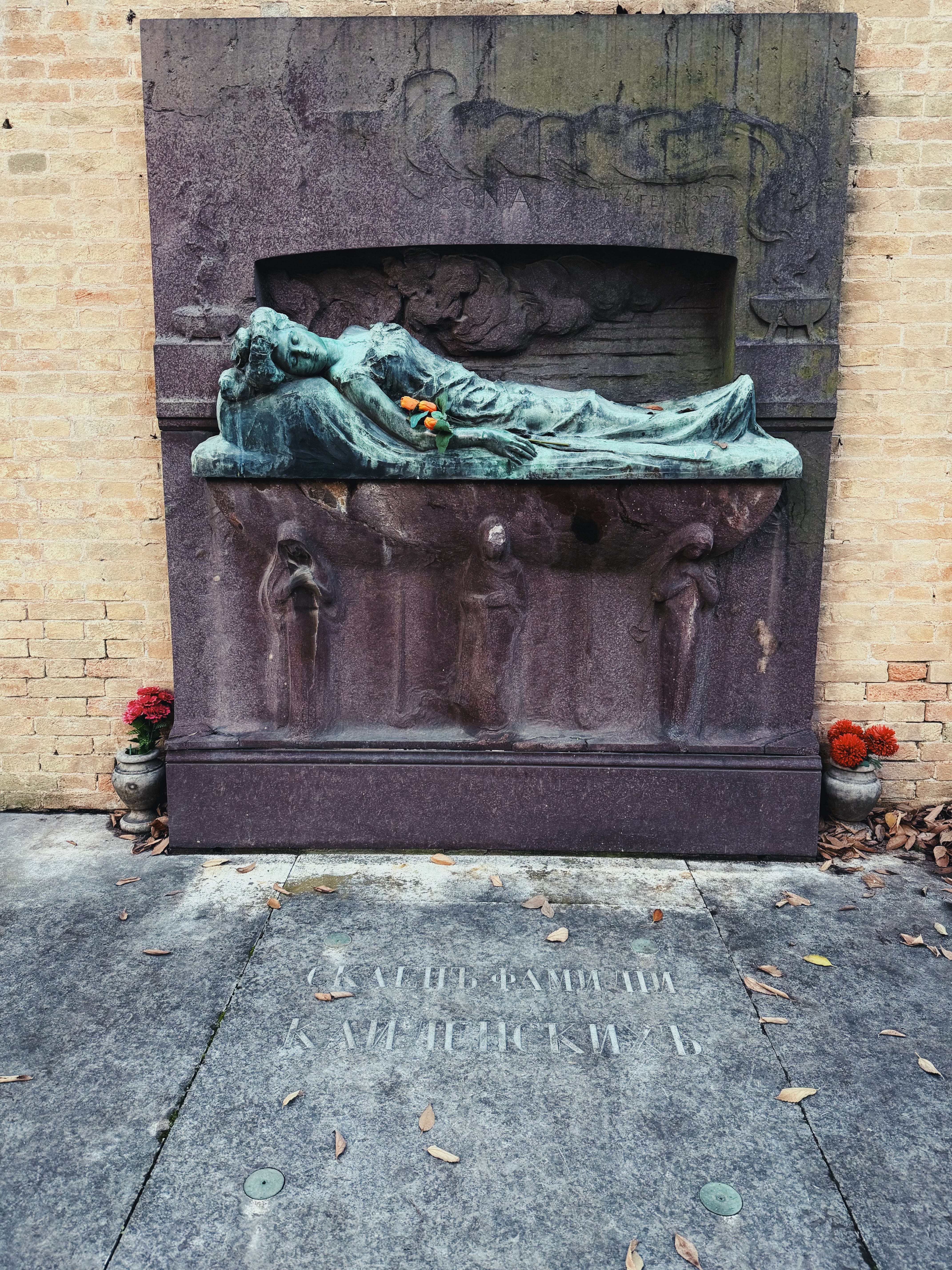
I still cannot find Brodsky. I have to abandon my search — two minutes left. I run for the exit together with a group of young girls. The caretakers are shaking their keys inside their little house; I can see them through the yellow-lit windows. How many others, I wonder, have they had to chase off the cemetery grounds, forcing them to abandon their search?
I stand on the jetty waiting for the boat. The sky is turning pink. The adrenaline rush begins to subside, and I feel elated.
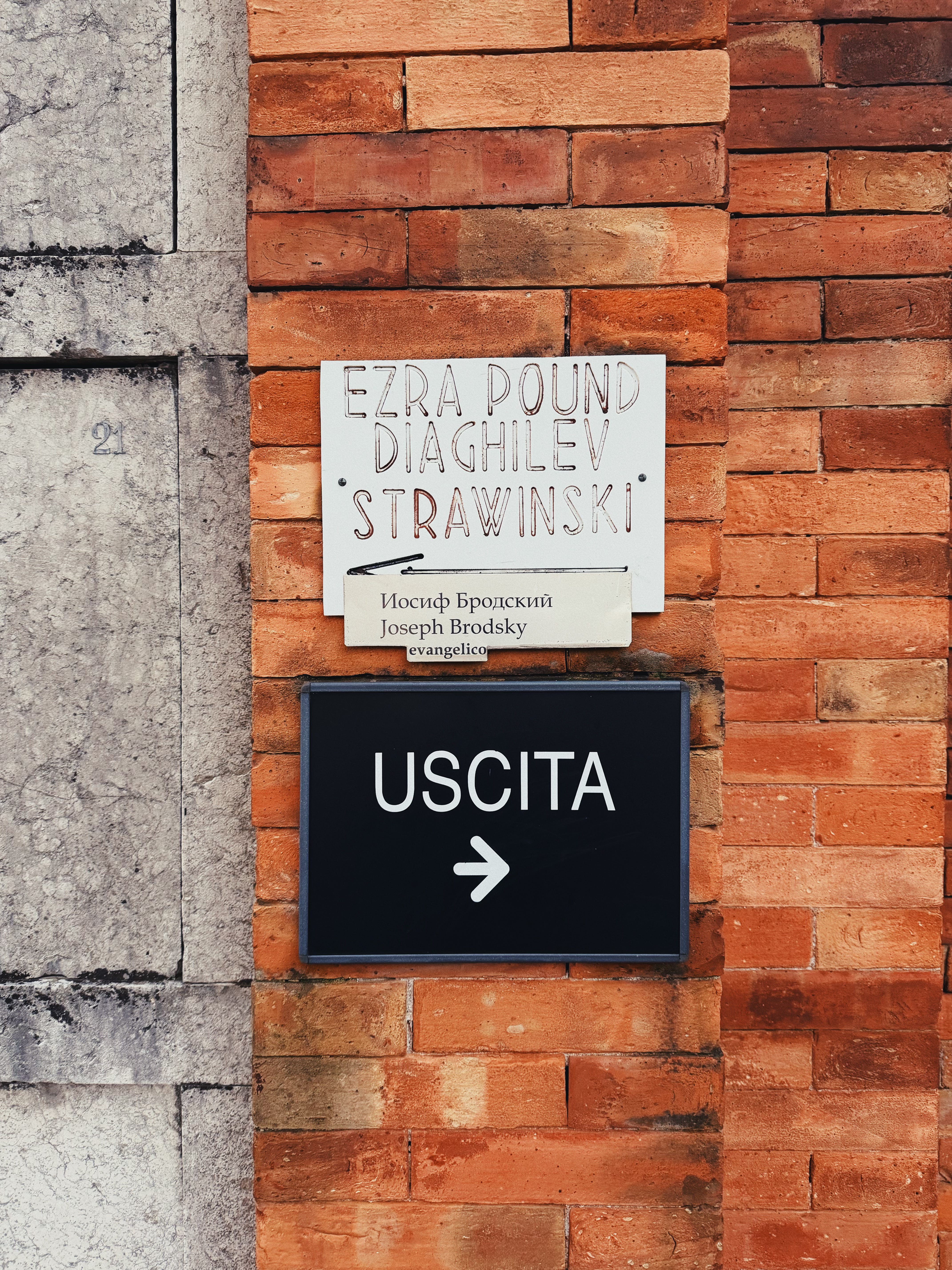
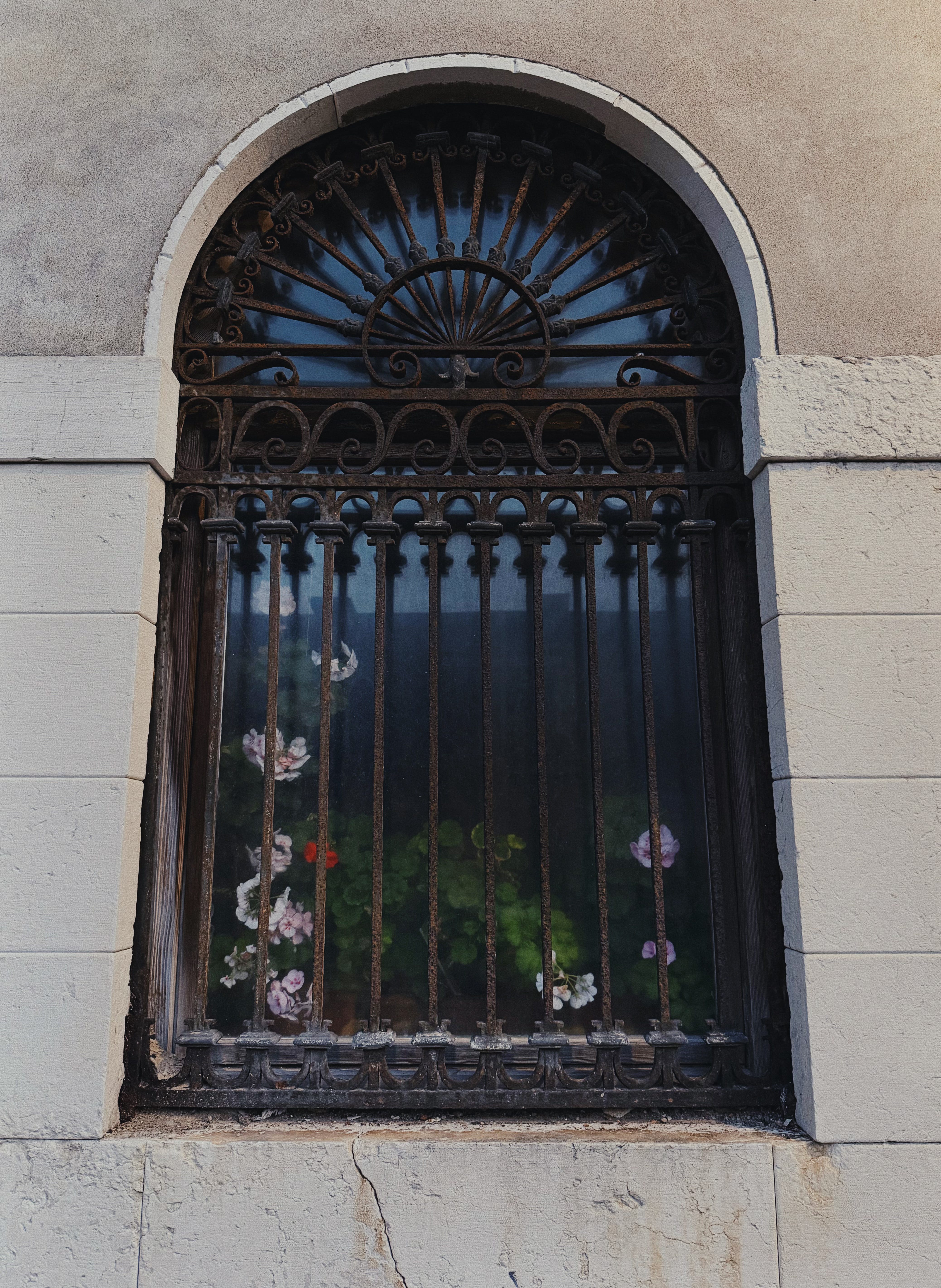
Back at the hotel I climb under the blanket again — continue watching Brodsky, reading his poetry, sipping wine. I stare at the frescoed ceiling and wonder: how did I end up here? What right do I have to be in this palazzo, wandering around these grand rooms that once hosted balls and masquerades for the family that still owns it, and for their friends, as I see in the old photographs displayed along the walls on the way from the elevator to my room? How did I wind up here after skipping across so many borders from the depths of Siberia and our communal council-estate room?
Many trains, planes, and decisions brought me here, yet I feel like an impostor.
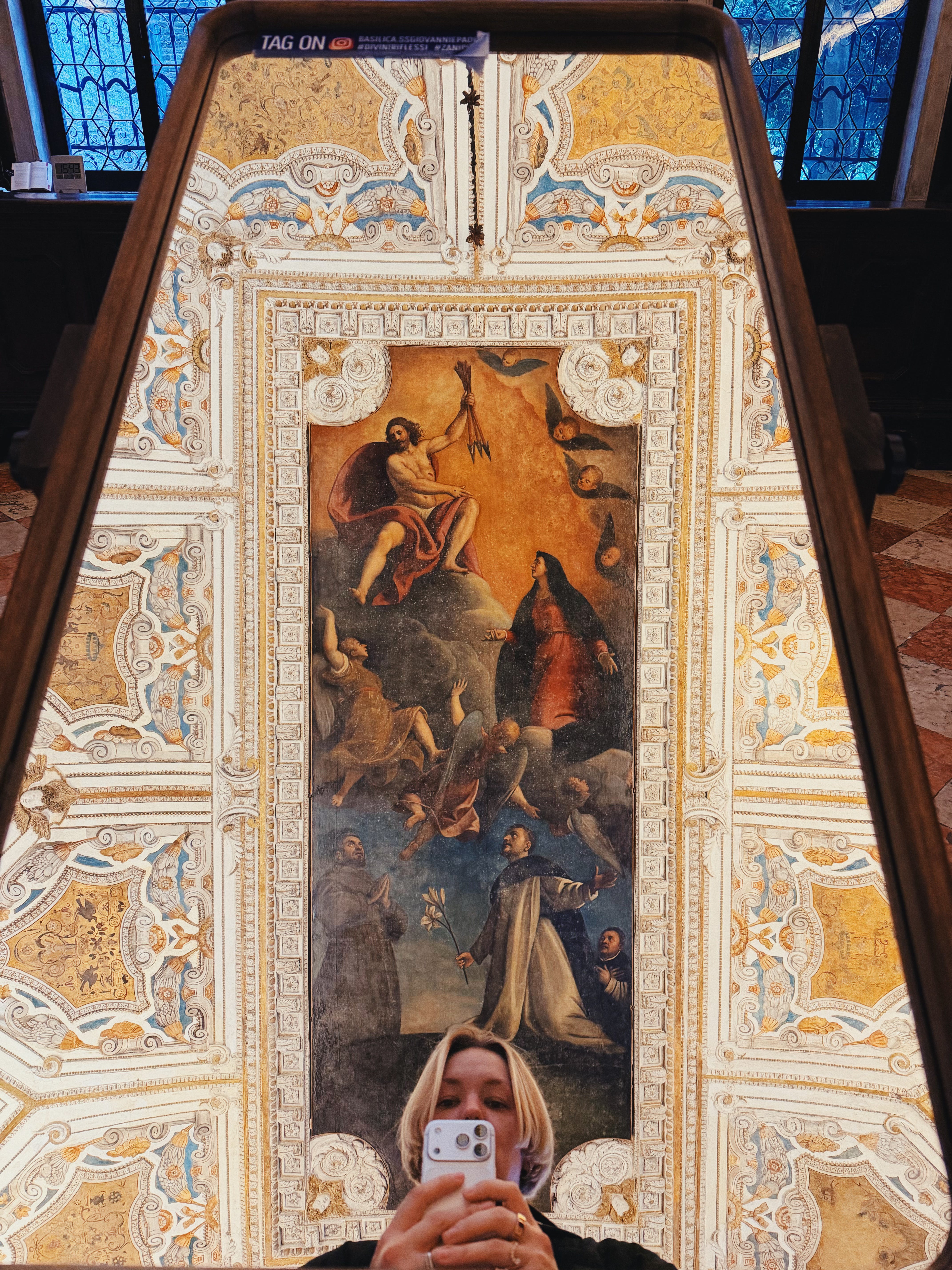
As I draw the blinds down, I notice how long it takes me — and as I glance up I realise the ceilings must be about five metres high. I chuckle: this must be the only thing I have in common with the past inhabitants of this place. The need for a high ceiling, a space, a room to breathe.
The room I grew up in, in a five-storey building built just after the Second World War — reportedly by German prisoners of war — had disproportionately high ceilings, but only on the first floor. In that way it ironically resembled the pre-Revolution architecture, or in fact the architecture of Italian palazzos, where the first floor (the piano nobile) was reserved for the owners and their social affairs. The higher you go, the lower the ceilings and windows become. The piano nobile of post-socialist reality.
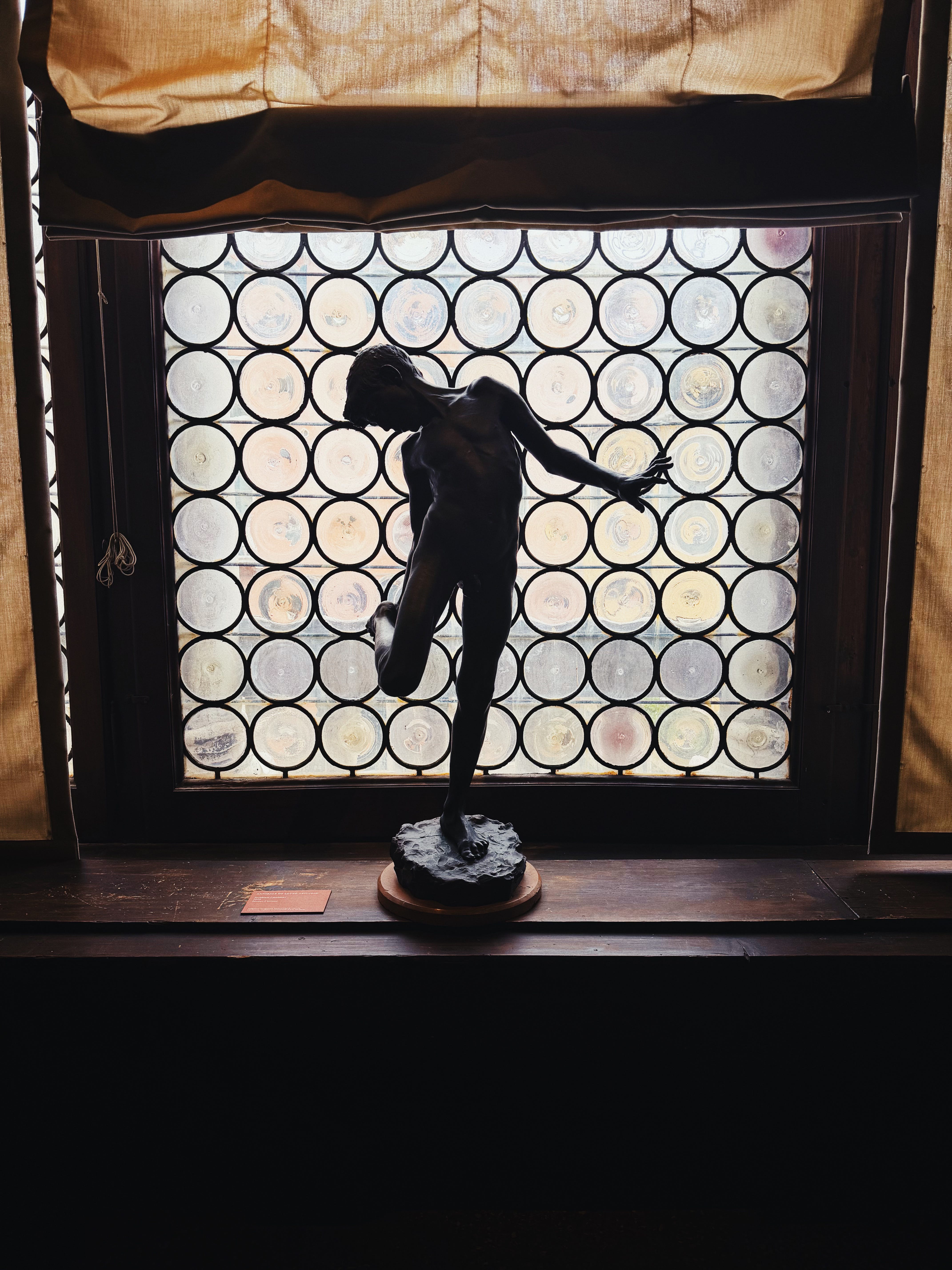
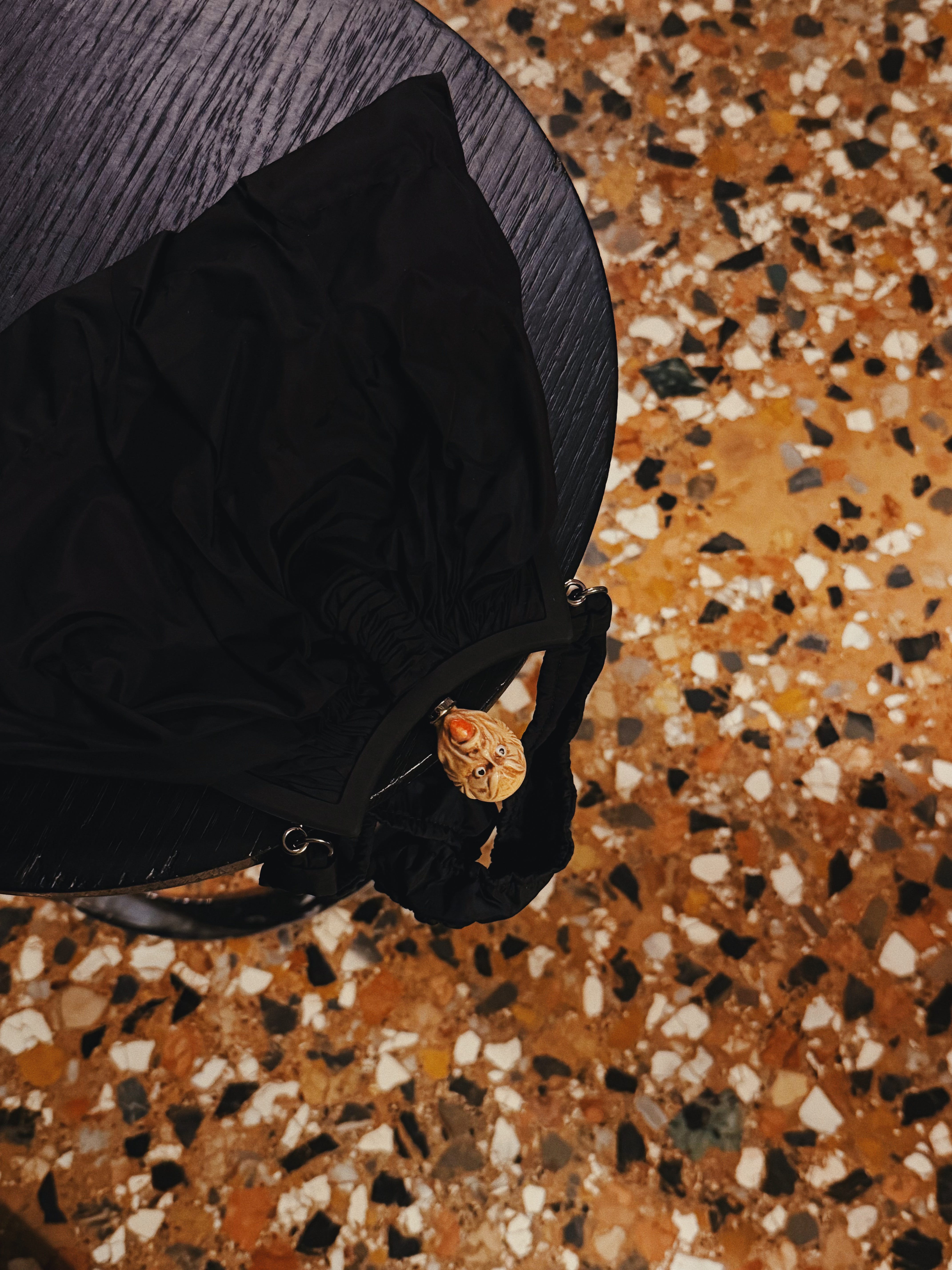
I get to sleep only to be awakened multiple times by various noises — footsteps on the floor above at 3 a.m., some rustle in my room, something shifting in the wardrobe. Nothing sinister, but definitely spooky. I can’t sleep.
I start reading an interview with the owners of the palazzo — “ah yes, of course we have ghosts!” they declare. “We prefer to think they are our ancestors watching over us.” I don’t actually believe in ghosts, but I wrap myself inside the blanket all the same, making sure to pull in my toes and cover my ear.
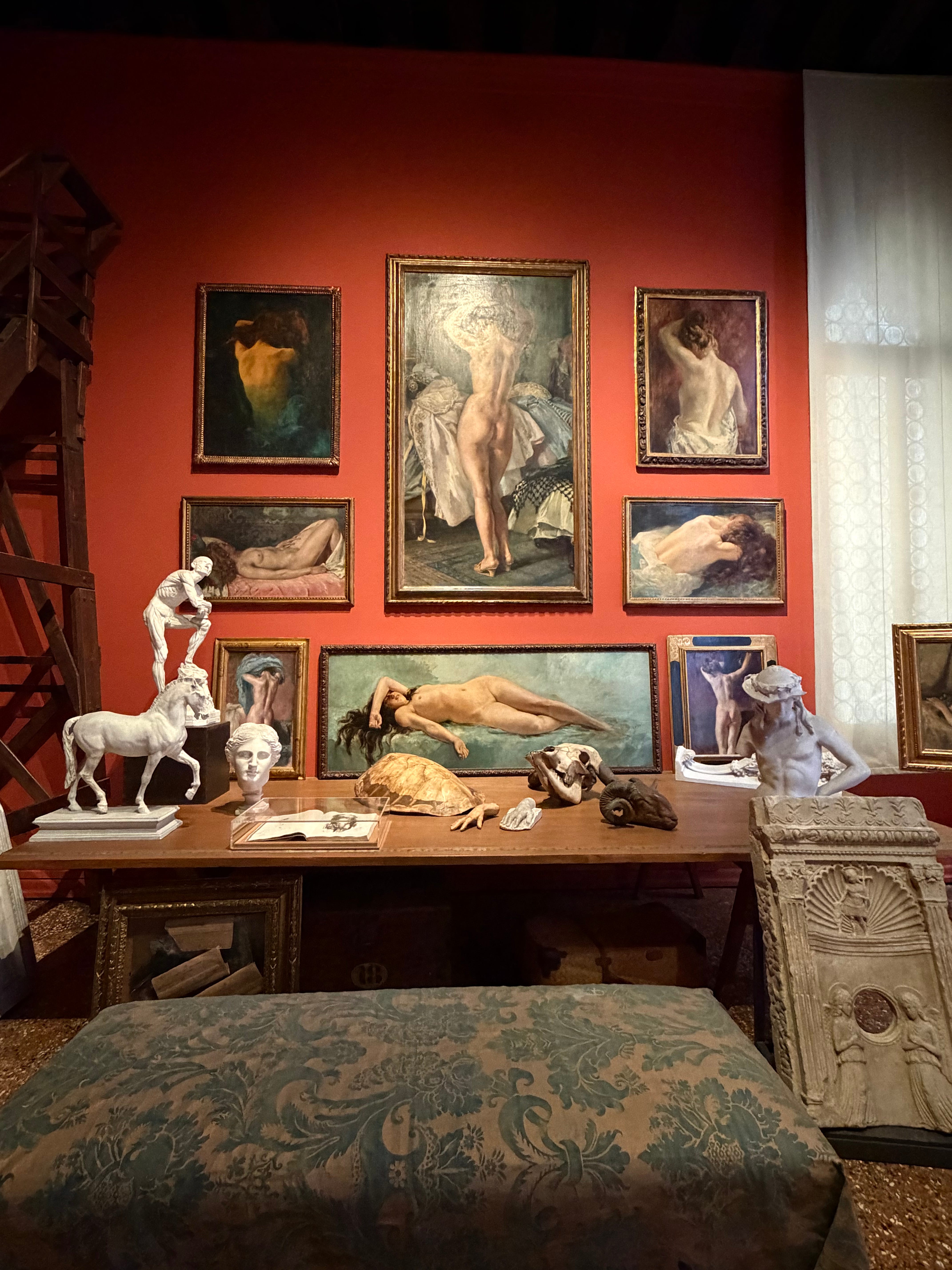
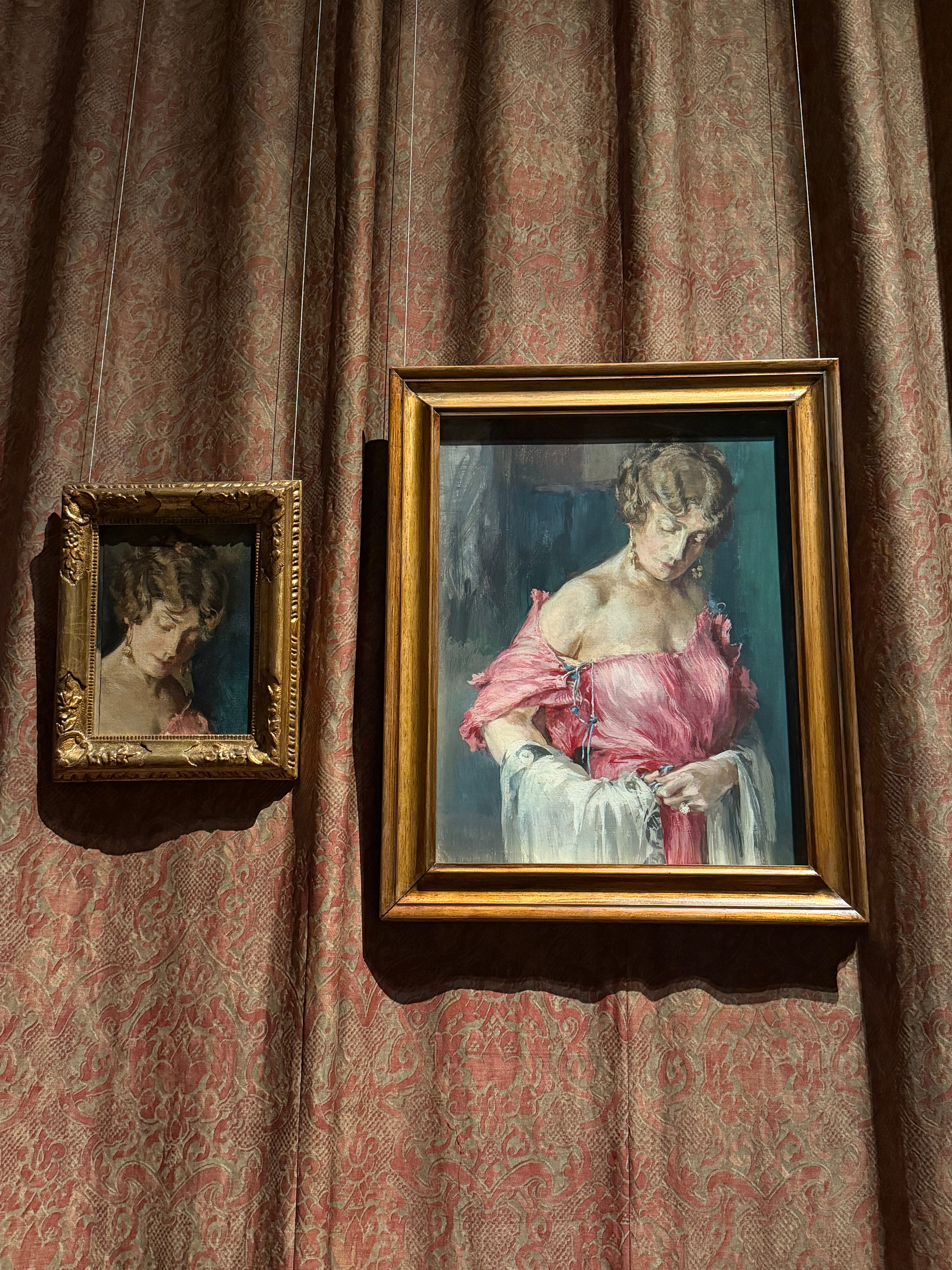
The next day I visit the Fortuny Museum — set in his former house where he also had his workshop, experimenting with dyes and fabrics, developing prints, drawing nudes of nameless models and countless portraits of his wife.
I then go to the Peggy Guggenheim Collection, where I remember being struck by the setting and by her precise, almost surgical way of collecting art. I remember looking at a long, narrow dining table set in one of the rooms and wondering — did she host dinners at this table? Were all her famous artist and writer friends gathered here, trying to balance their plates and glasses on this bench of a table?
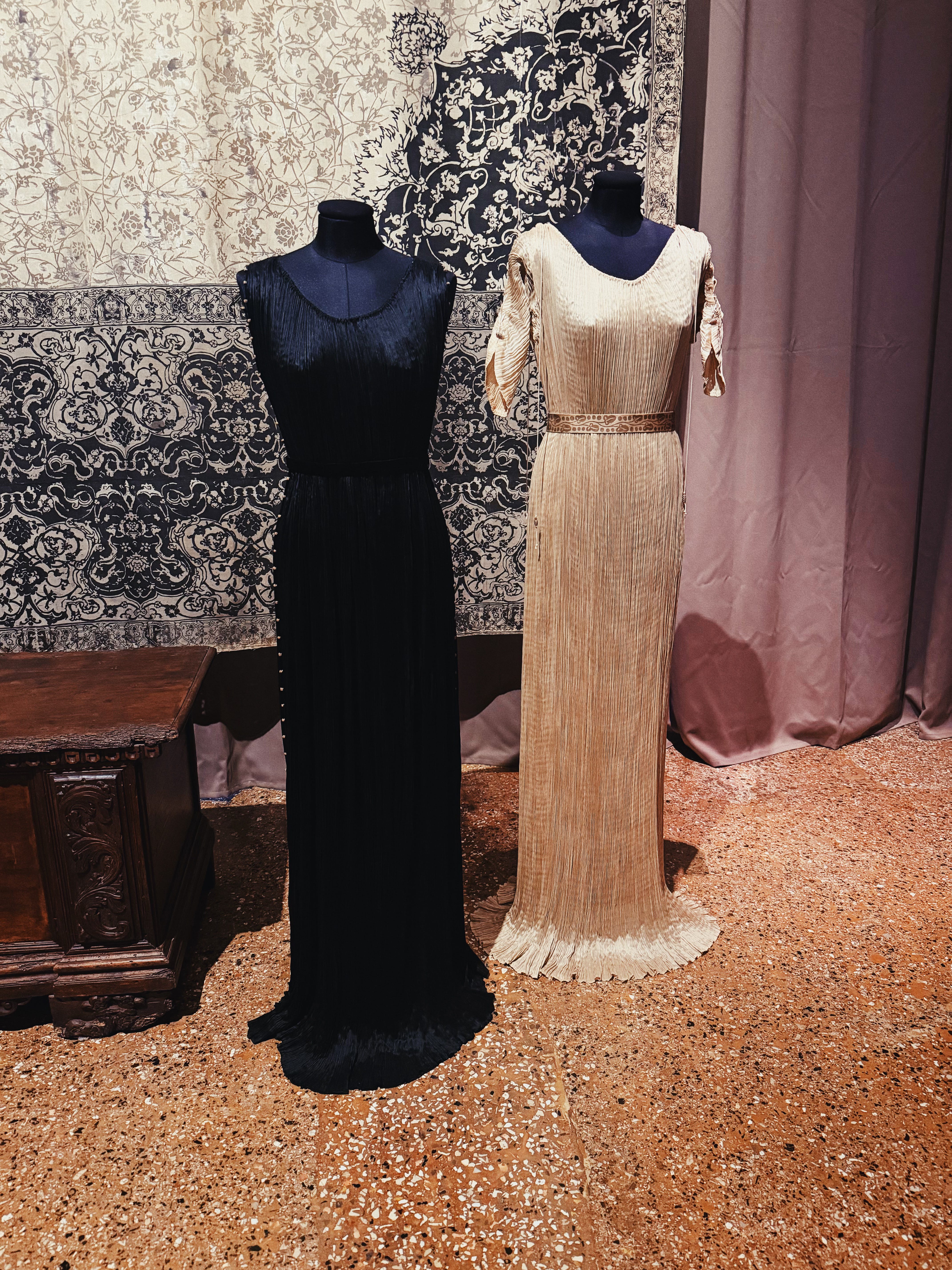
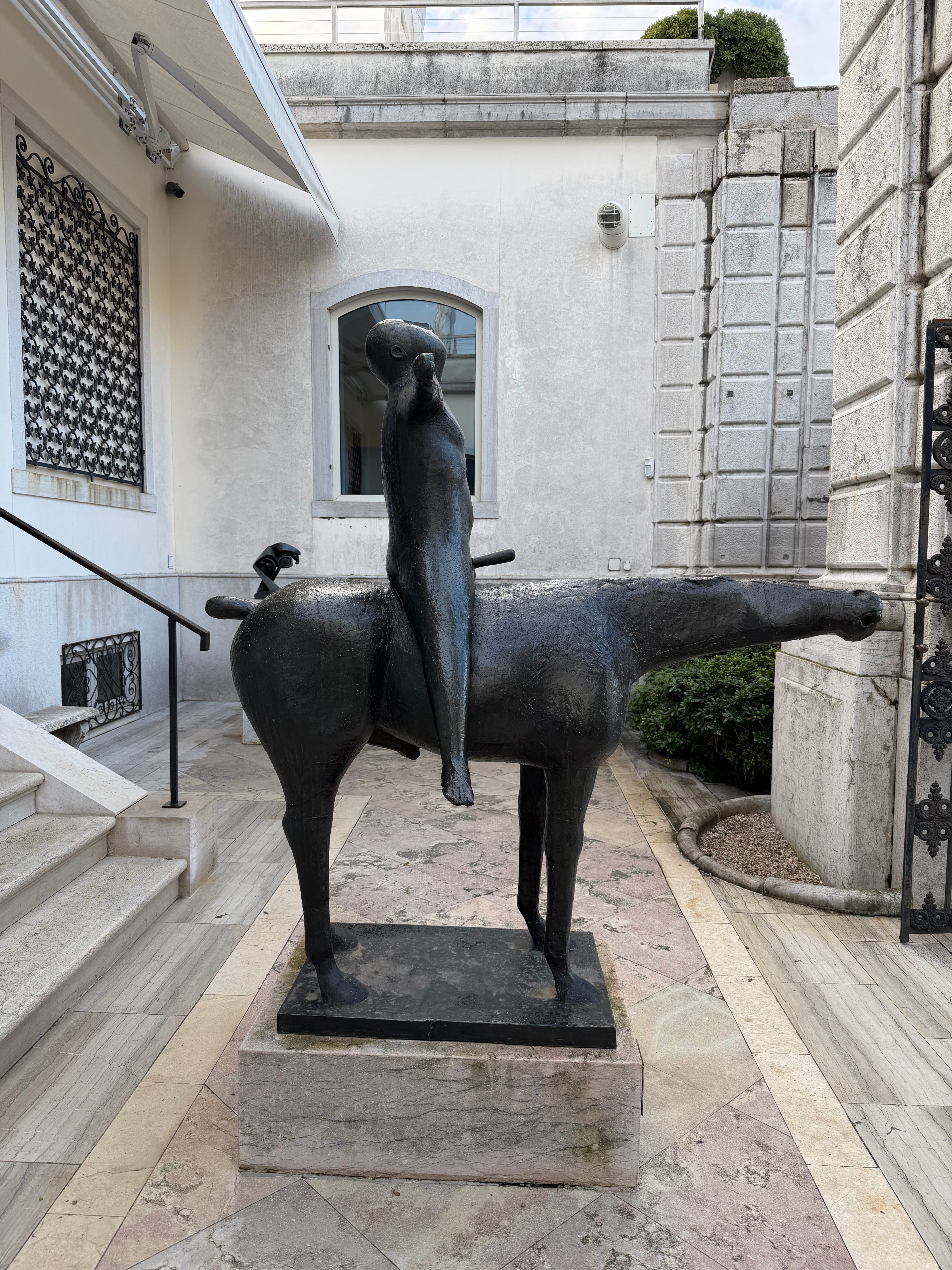
I always catch myself imagining what these people’s lives were like. Were they literally right here, shuffling around in their slippers, having boozy dinners, affairs, arguments — right here, in these very rooms? It’s almost as if I can see, or hear, their ghosts — reflections in the darkening windows with the glistening Grand Canal behind them.
I’m starting to think it’s the proximity of these memories that fascinates me so much in Venice at this time of year — as if the hustle and bustle of the summer season spook them away, and it becomes just another European city, like London, Paris or Milan: beautiful, but somehow flat and glossy, like a postcard.
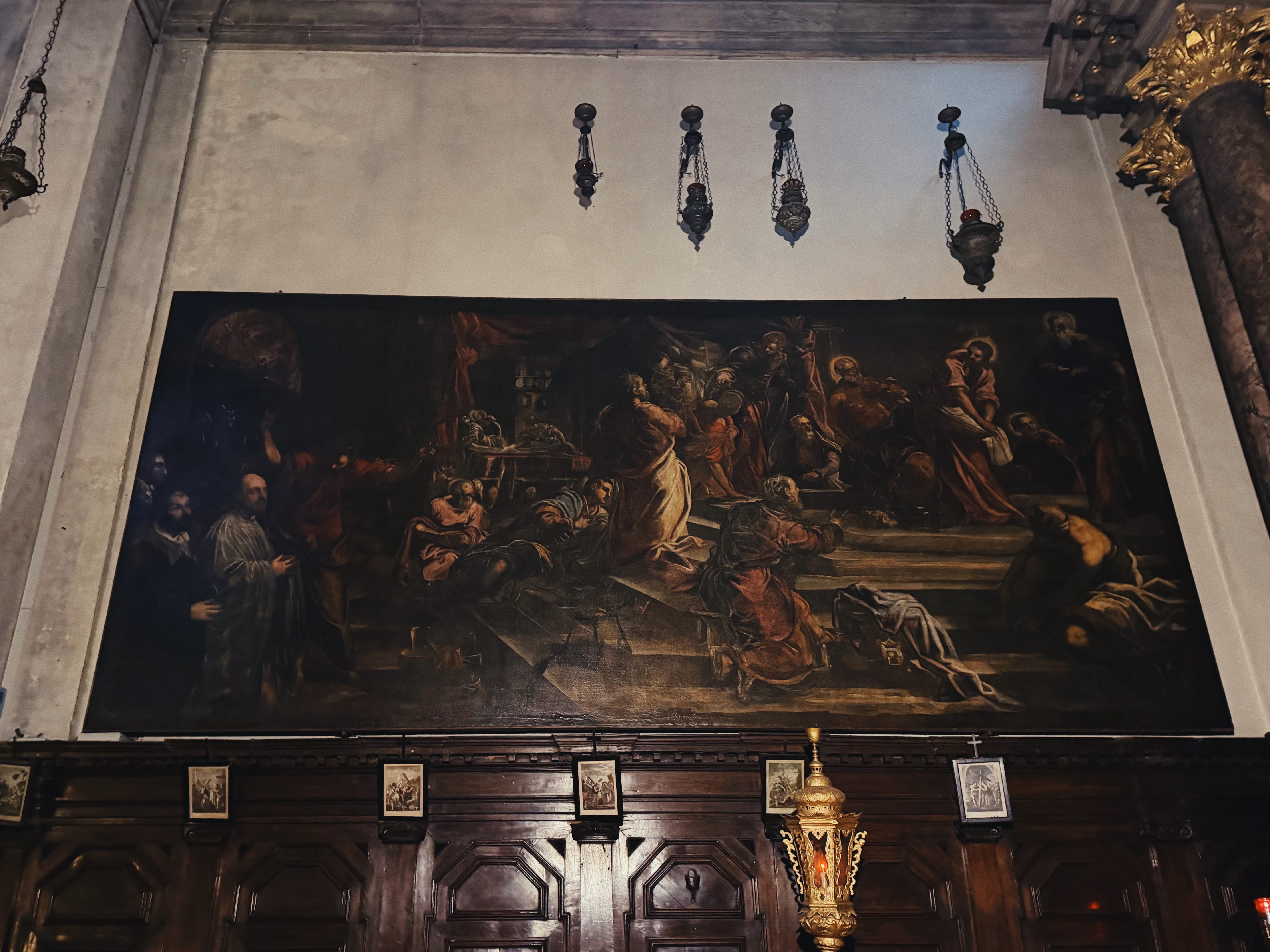
Whereas now, standing alone in Fortuny’s library, or in Peggy Guggenheim’s dining room, or in a random church I step into on the way back to the hotel — and see Tintoretto’s paintings hanging on the walls, not another soul there apart from myself and a bored guard who charges me 3.50 euro to get in — it feels entirely different.
It’s this sensation of being one-to-one with all this history, this closeness, this intimacy with centuries of these people’s lives, that makes me so enthralled with it. As if I can nearly hear them whispering their prayers.
On the way back to the hotel I come across a small — well, big by Venice standards — piazza with a dominating church with Veronese frescoes hidden inside, an old covered well, and a handful of cafés with tables set outside. There must be a school nearby: a group of children are playing football in a circle by the church steps. A few girls are sitting atop the well, watching an iPad. They’re laughing at something that sounds vaguely familiar — YouTube, I assume, and probably the same stupid show my kids love. The parents are huddled in their coats at the nearby tables, sipping and chatting.
All the same as anywhere else.
THINGS TO DO
Museo Fortuny - A museum dedicated to an outstanding Spanish designer, whose work influenced generations of creatives after him, is housed in his former home and reveals the many facets of his talent.
Peggy Guggenheim Collection - Also a former home of one of the most renowned art collectors and eccentrics of the twentieth century, it is a gem of a museum filled with works from Peggy’s personal collection (including the famous Calder earrings), housed in a palazzo that was never finished and therefore has only one storey — precisely the reason she was able to acquire it. The temporary exhibition running until the 2nd of March is a show of ceramics by Lucio Fontana, which is superb.
Palazzo Grassi - A museum owned by the Pinault family, along with a few others (such as the Bourse de Commerce in Paris), it usually hosts a single exhibition spread across its few floors in a stunning palazzo on the Grand Canal. The last time I went, they had an extraordinary exhibition of Marlene Dumas; this time it’s Tatiana Trouvé (running until the 4th January). One of the advantages is that it remains open all year round, as opposed to the Fondazione Prada, which closes once the Biennale finishes.
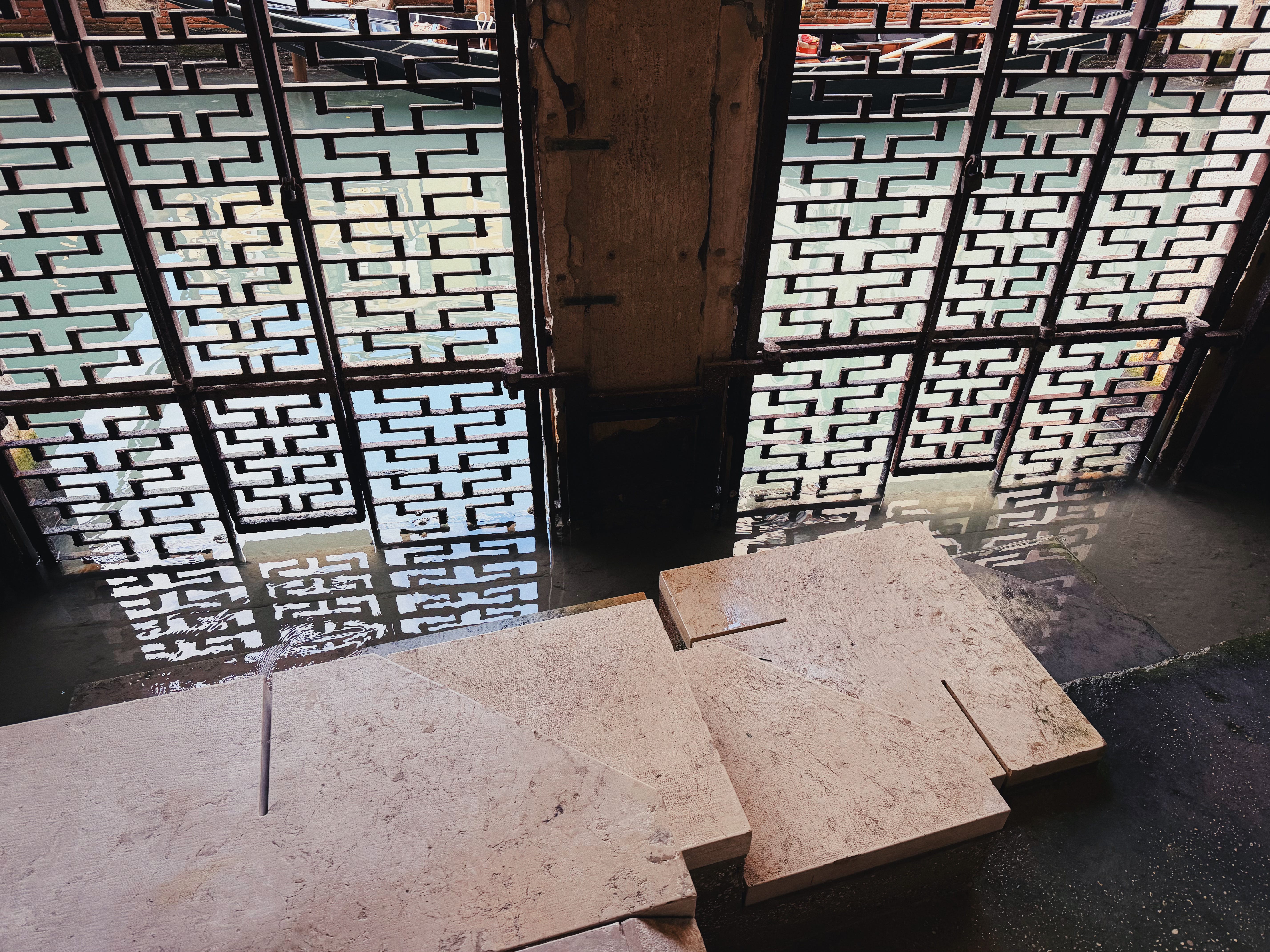
Fondazione Querini Stampalia - A cultural institution founded in 1869 in the former house of the Querini Stampalia family, whose last descendant at the time decided to open the family’s art collection to the public. Today it houses a library and the former living quarters, with furniture and art pieces available to browse (I was the only person in the museum, and it felt very special). The garden and the lower ground floor were redesigned by Carlo Scarpa, the outstanding Venetian architect, in his distinctive minimalist style.
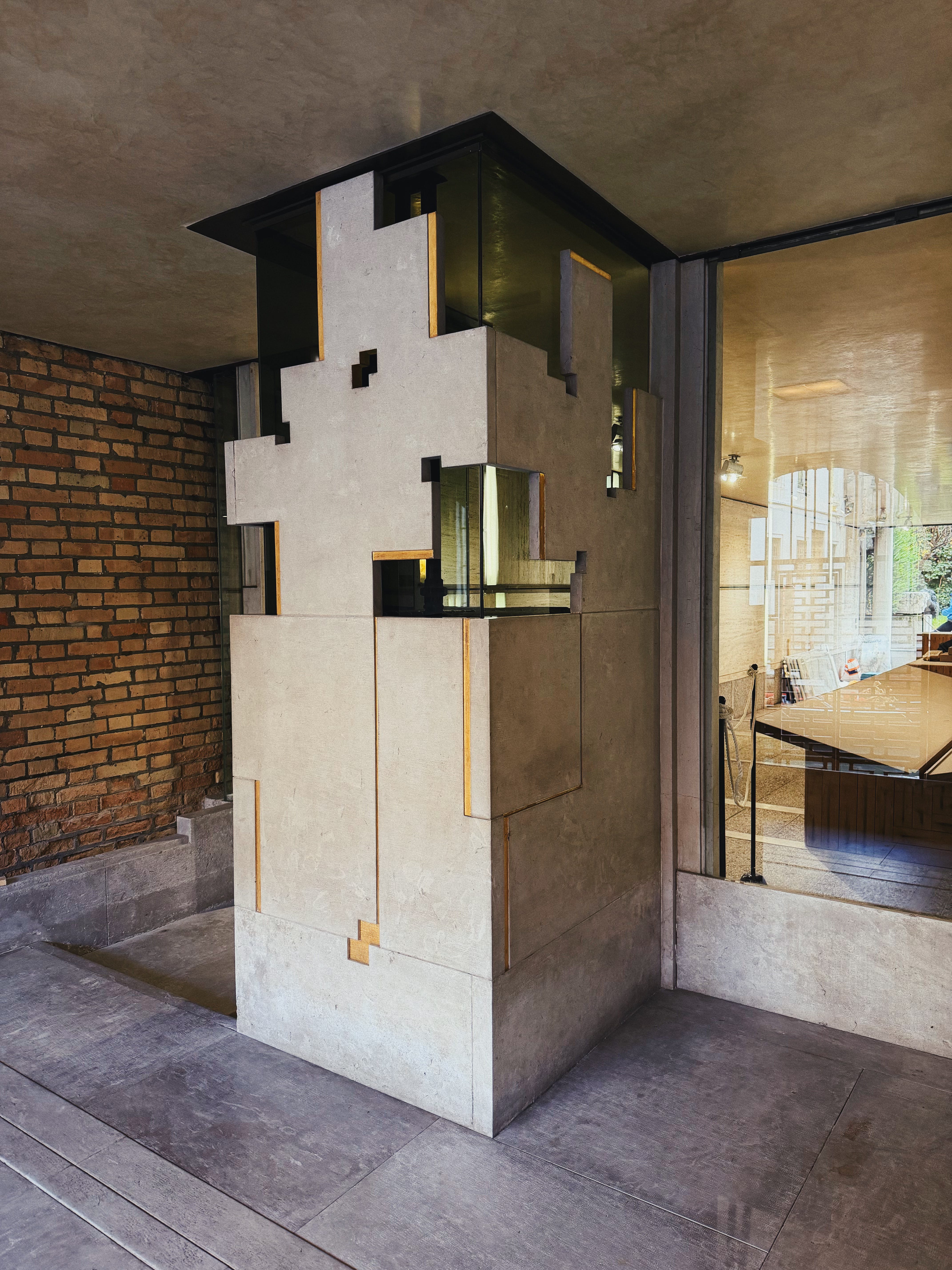
Olivetti Showroom - If you like Scarpa’s work, you definitely need to see this little gem tucked inside the San Marco colonnade. A former showroom for a typewriter company, now a museum, it showcases the mastery of Scarpa’s visual language in all its glory across a couple of tiny rooms.
Palazzo Grimani - A stunning palazzo with richly decorated rooms and frescoes — and the true gem, the Tribuna: a room with a ceiling rising metres and metres high, completed by a skylight that pours light onto the sculpture The Abduction of Ganymede, floating in the air, suspended by a rope.
WHAT I BOUGHT
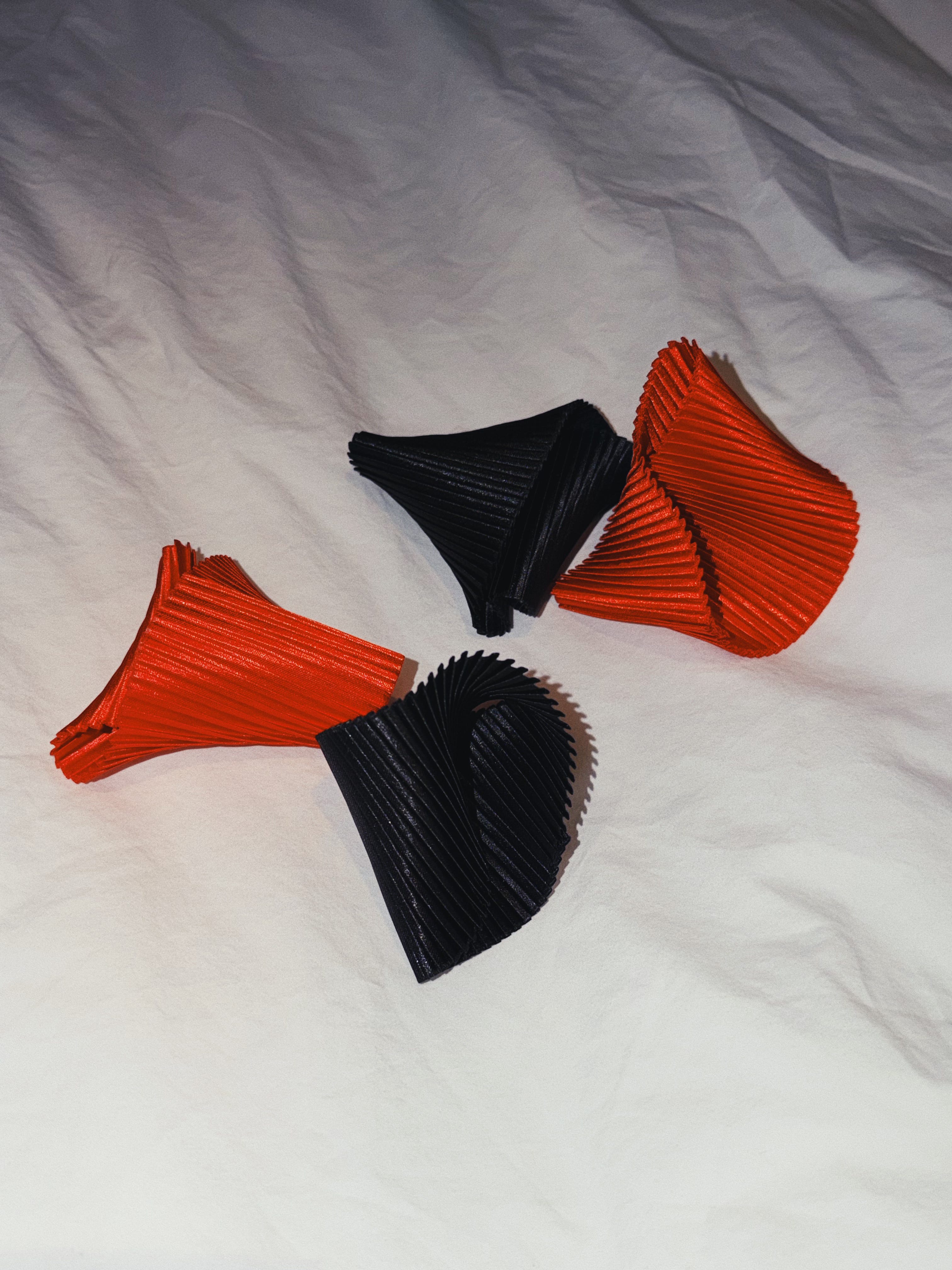
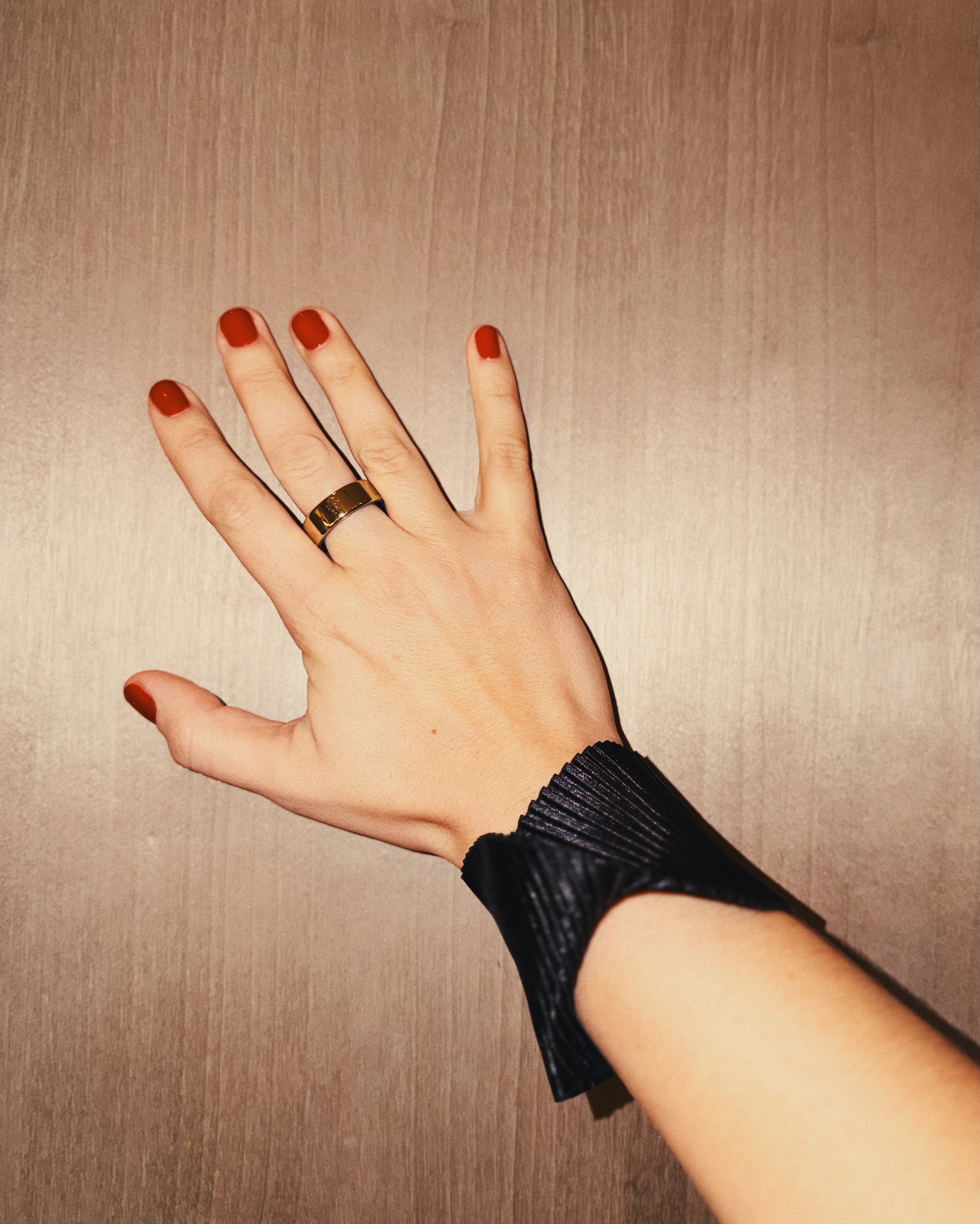
Apart from the aforementioned Celine jacket, I didn’t do any shopping, but I did buy these little odd bracelets at the Fortuny Museum shop, which I plan to wear with black outfits for a slight difference in texture and a pop of colour. I also bought a book there — Sargent and Paris — as I realise I most likely won’t make it to the exhibition at the Musée d’Orsay.
WHAT I DID
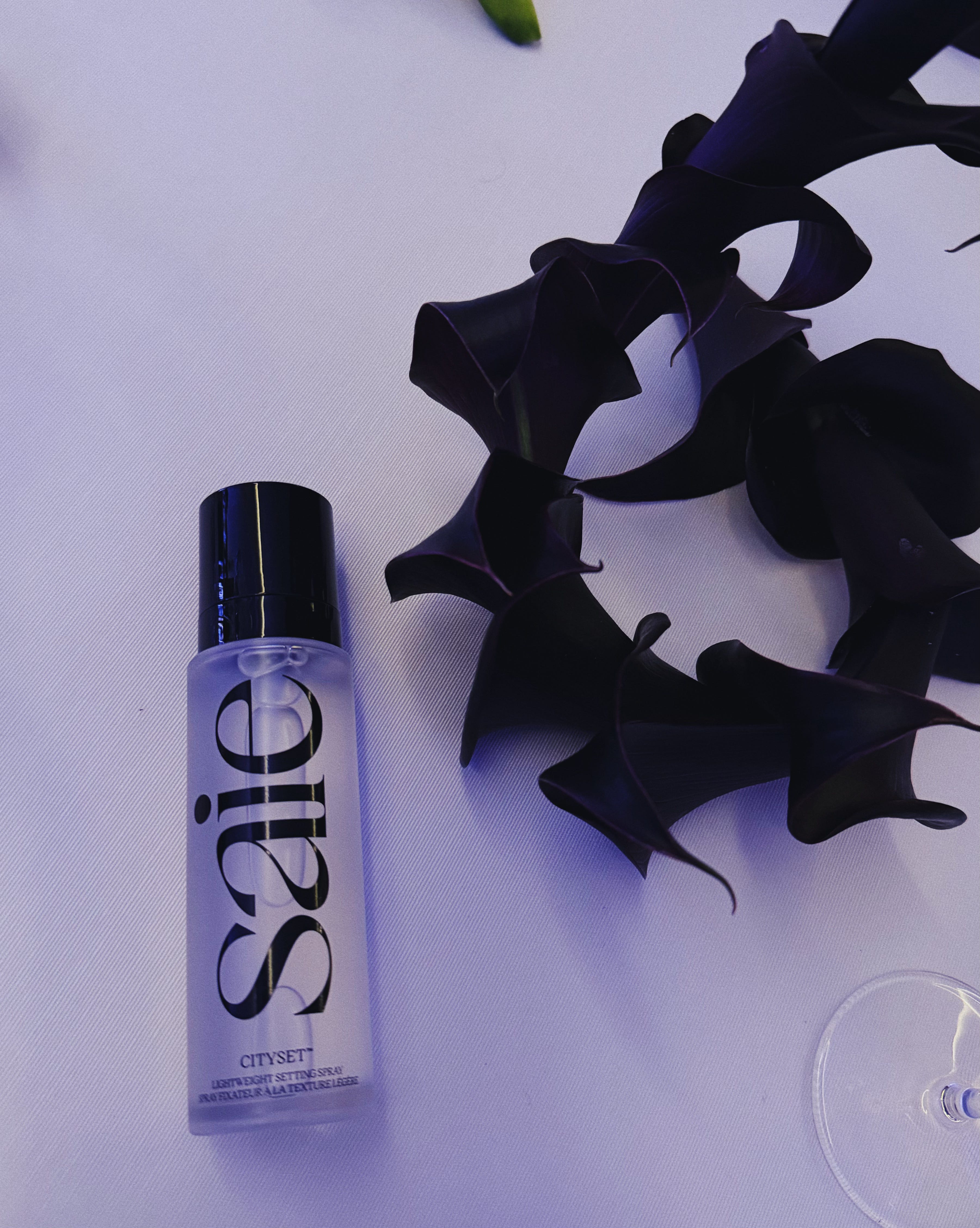
I went to a dinner hosted by HURS and Saie at the Magazine restaurant at the Serpentine Gallery, and it was a great evening with some of the most interesting women in London. Shoutout to the best seatmates — Daniela Kacianova, the eternal Céline/Phoebe Philo girl; Anna Jewsbury of Completedworks; Erica Wright of Sourcewhere; and Alexis Foreman, whose glowing skin always makes me want to drink less wine and more water (though I don’t see her often enough, so to no avail).
At the dinner, Saie’s founder soft-launched their new product — coming soon — a makeup setting spray that is all ‘clean,’ just like the rest of their offerings. I’ve also now tried the Dew blush and lip gloss, and I can vouch that they feel (and look) super nice.
LOOKS
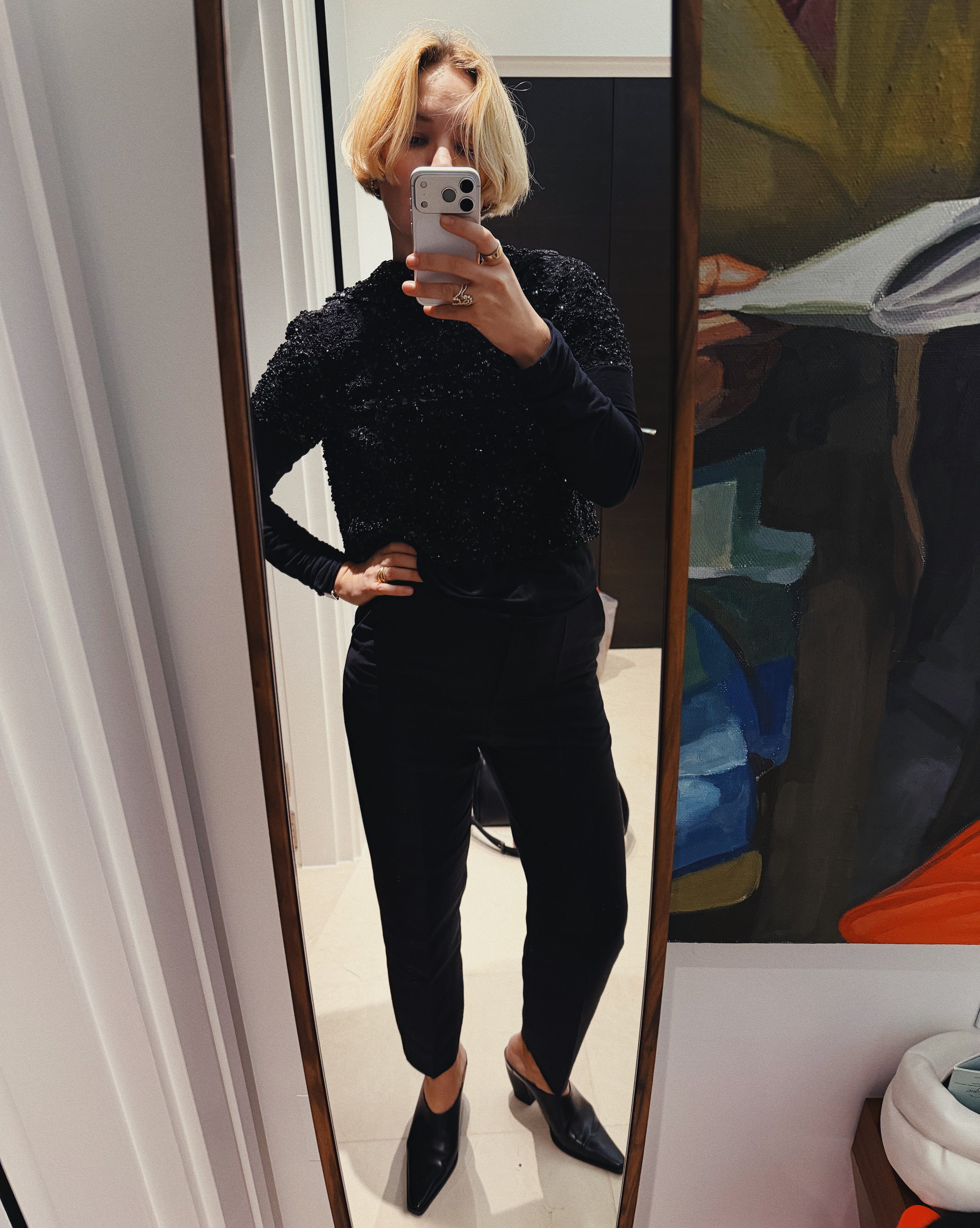
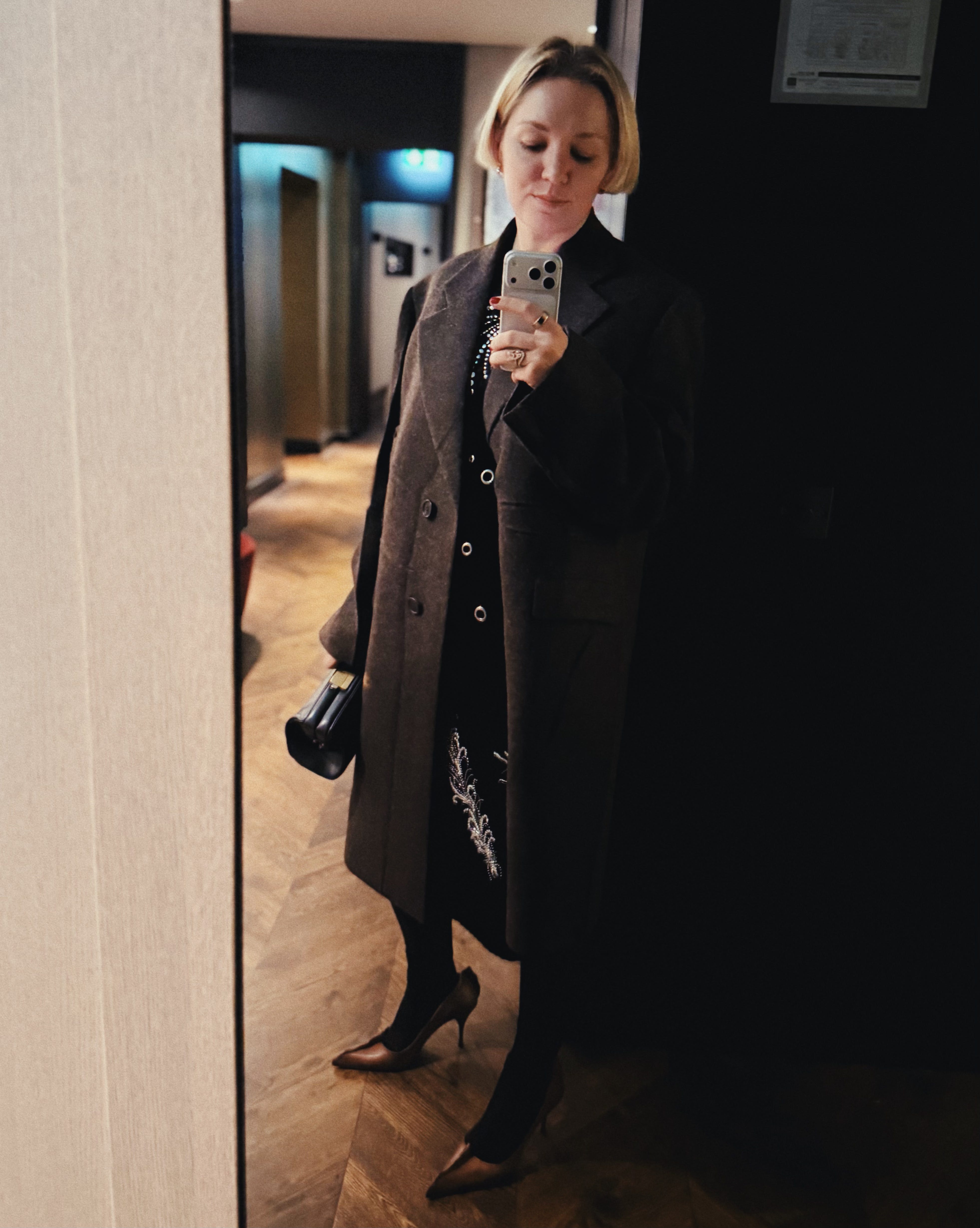
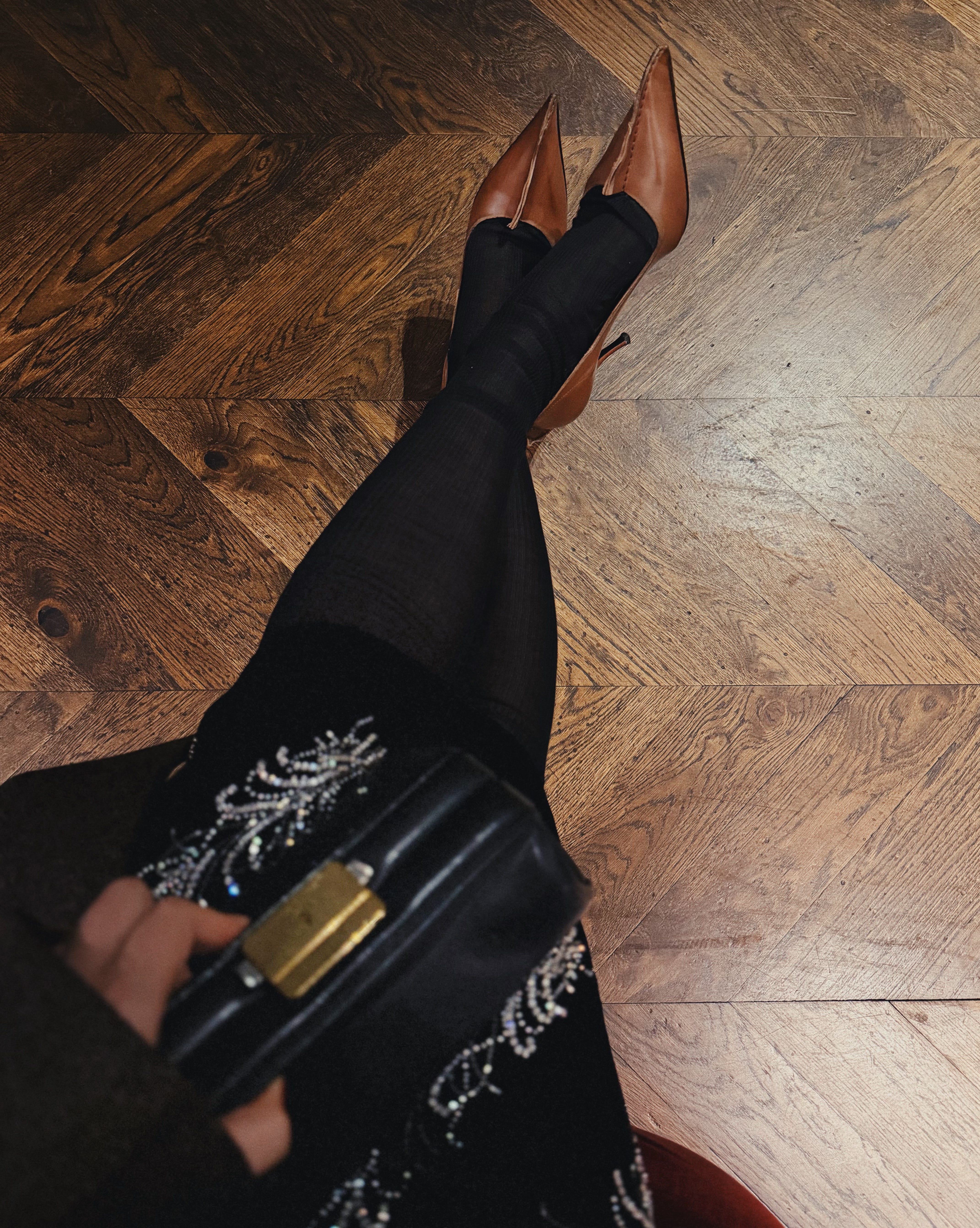
10 GOOD THINGS
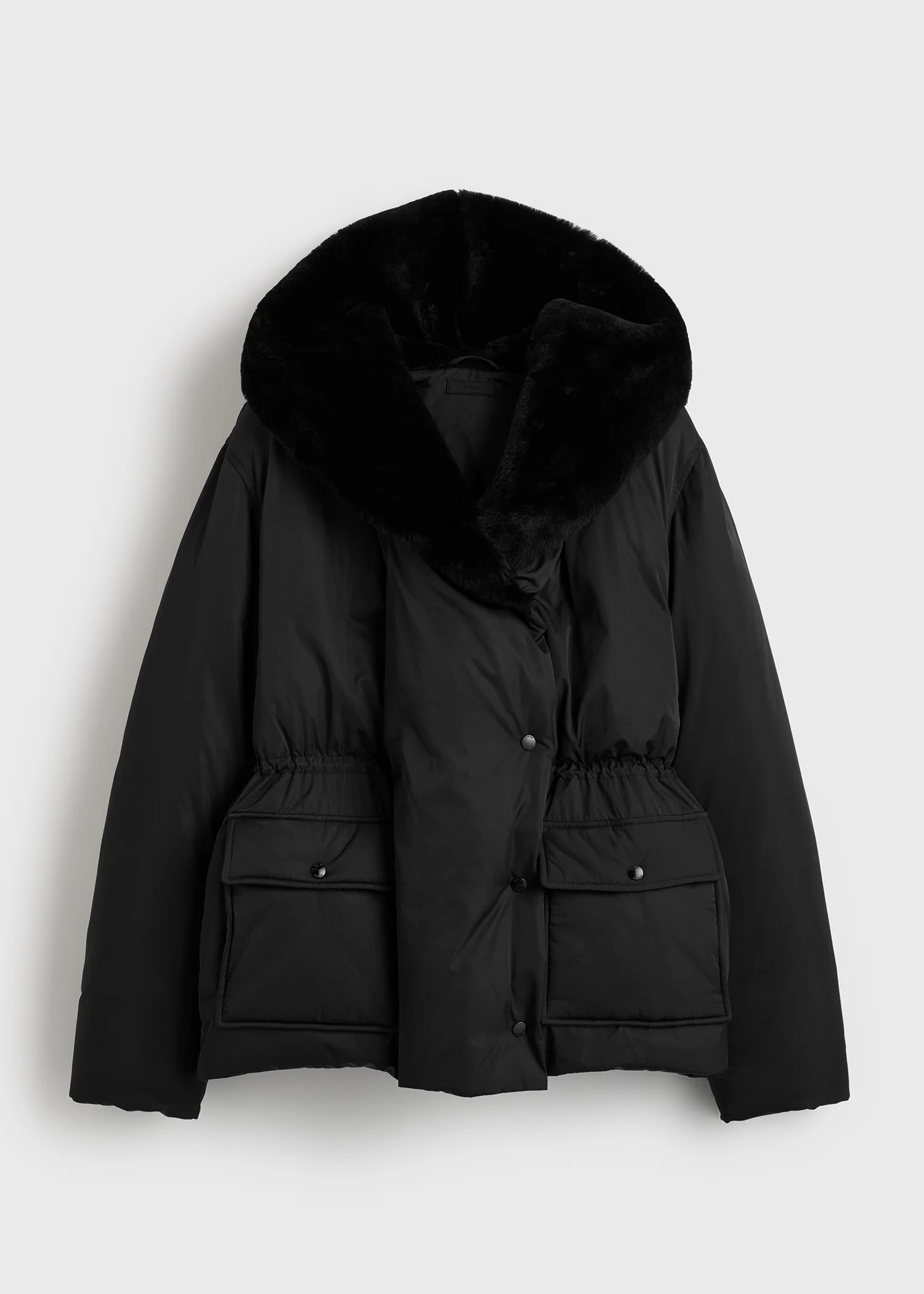
I’m always on the lookout for a good puffer, as I have to admit it’s the only thing I wear here in Ireland — it’s simply too wet for coats. I love the shape of this one, the chic, soft shearling lining on the hood, and the fact that it’s slightly longer than my usual. It runs quite large, so I’d recommend sizing down one or even two sizes if you want a snug fit.
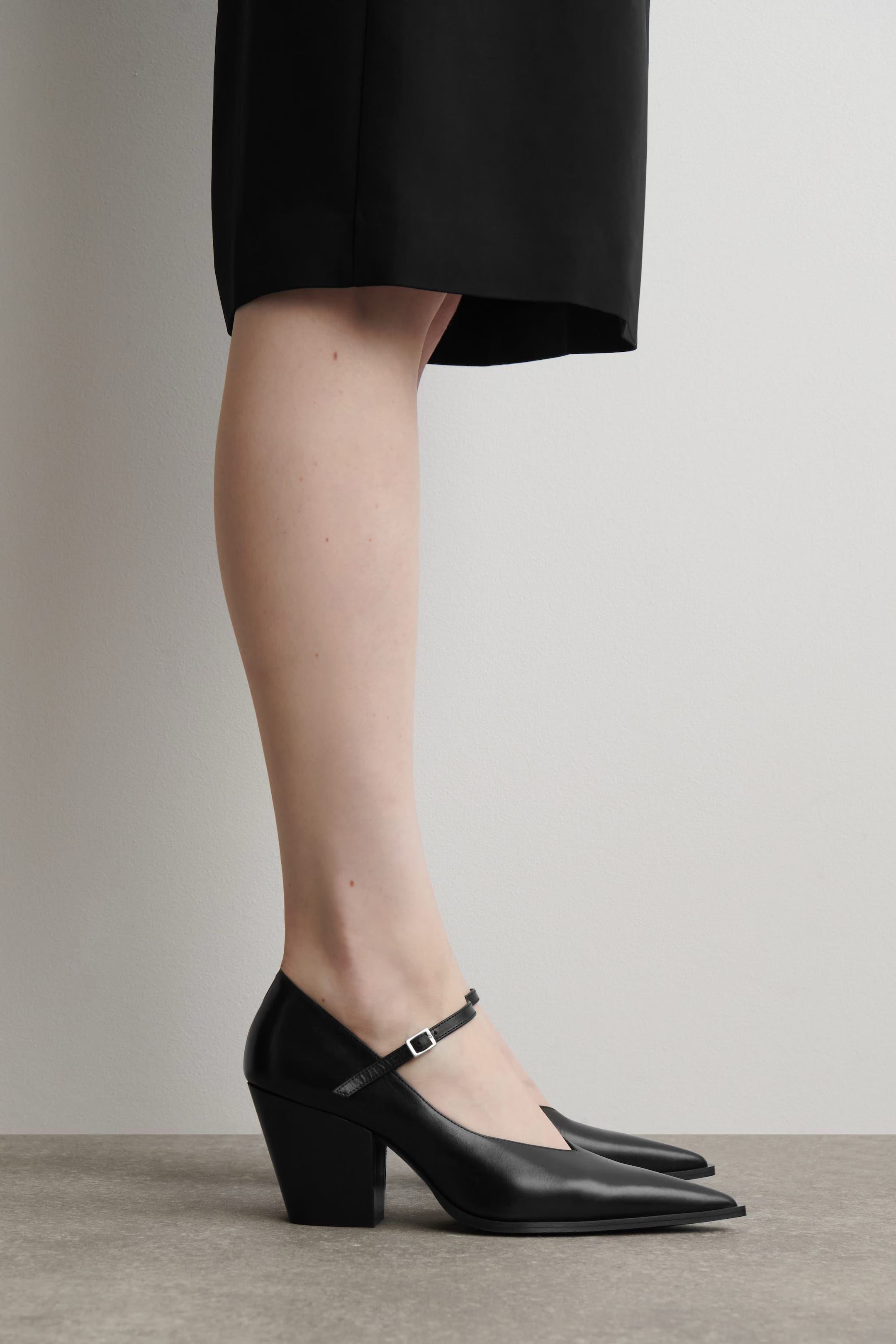
These Mary Janes remind me of the Prada ones from a few seasons back that I really love, for the slight edginess of the shape that makes them feel less soft and girly and more sharp. Plus, they’ll be comfortable thanks to the sturdy, not-too-high heel.
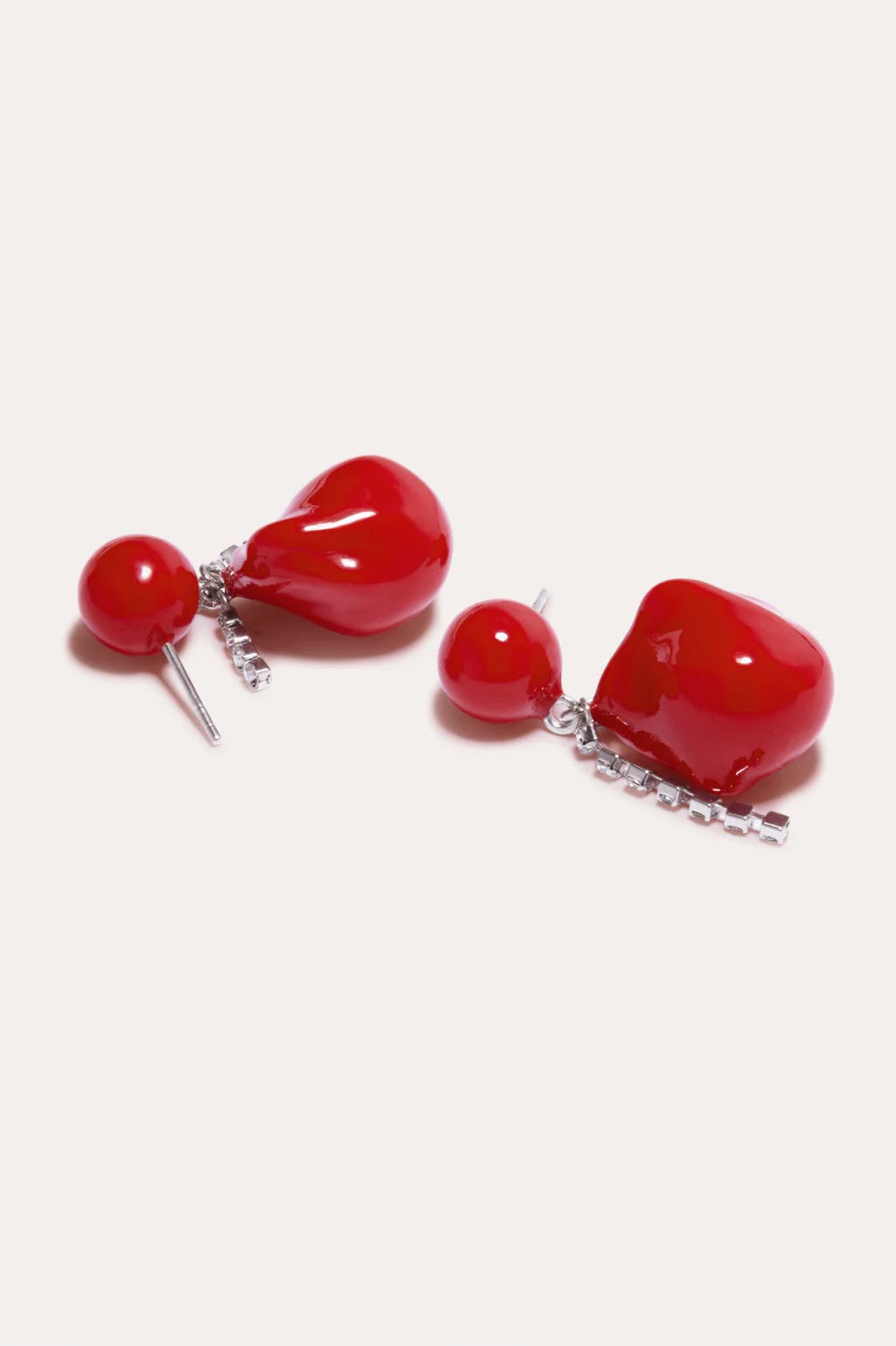
I love Completedworks jewellery for its always inventive shapes and fun colours (and names! Their names are always the best; these are called Between the Tides). I have these fun earrings with a strip of crystals dangling off them, creating a bit of movement and sparkle — I wear them with monochrome outfits when I need to add a little pop of colour.
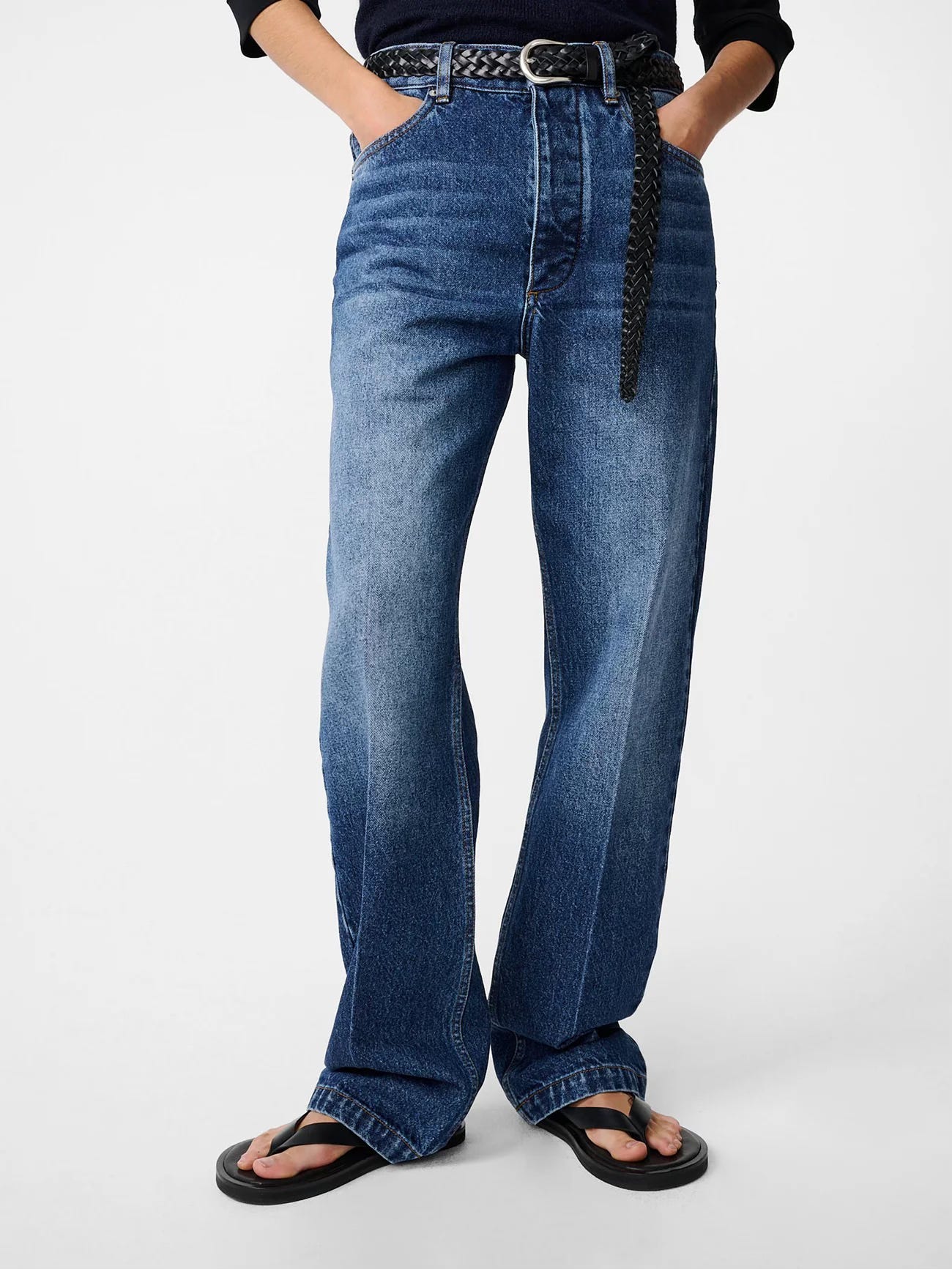
I really like these washed-out jeans with a faded pressed crease along the front, because their shape reminds me of those Chanel jeans from the first look of the just-presented New York collection — slightly retro, very cool.
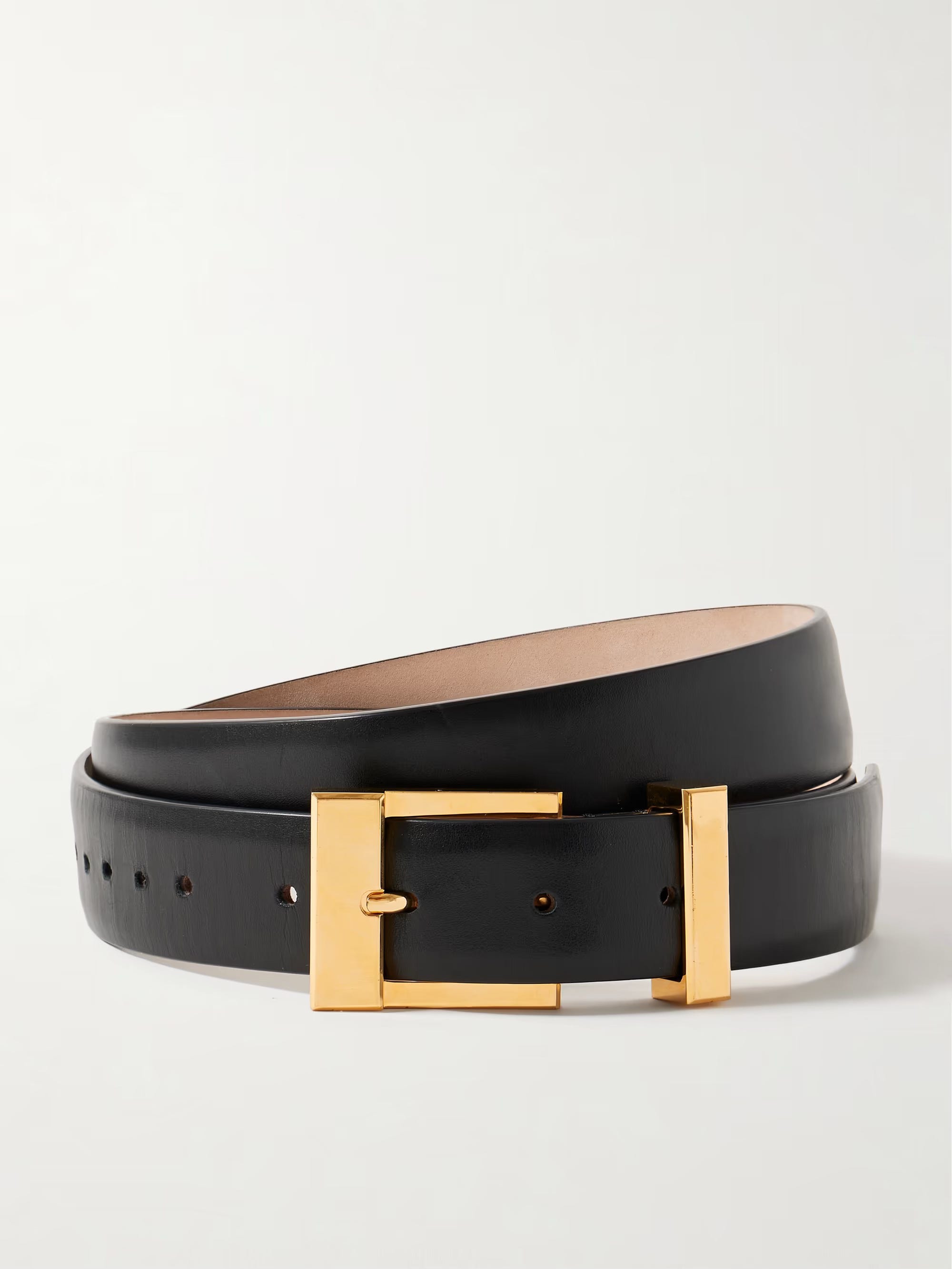
I rarely wear belts (no real need with hips like mine), but when I want to feel more composed, I add one. This would definitely be the belt to give a sharp, tailored look a perfect finish, thanks to its slightly oversized buckle.
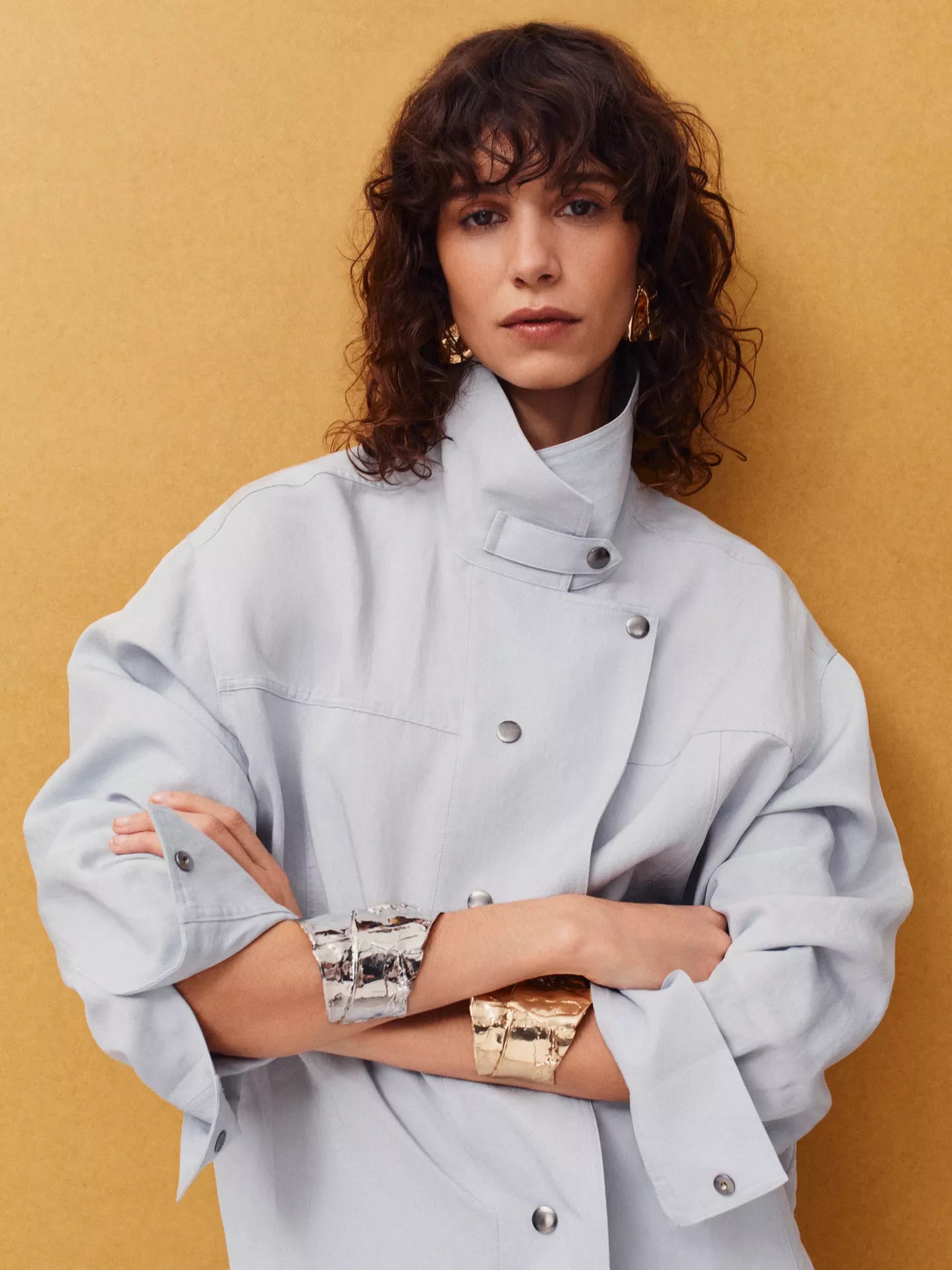
I am obsessed with this shirt — it’s a bit similar in shape to my Bottega Veneta black one that I wear as a shirt or a light jacket, but this one is linen and light-coloured, a summer version, whereas the other is wool and black. It’s one of those Massimo pieces that will have people asking, “Where did you get it from?!”
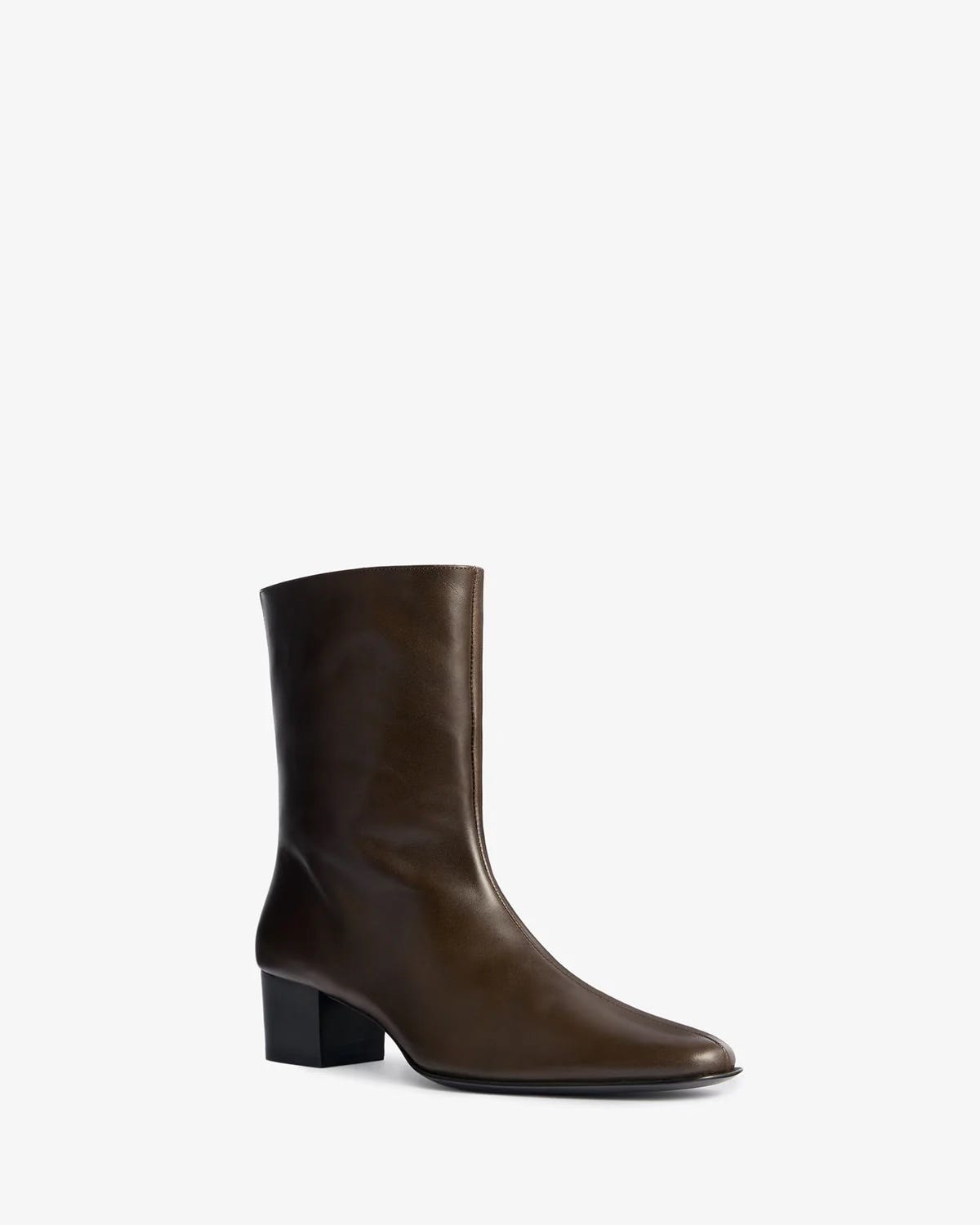
I love these boots (I have them in black) and now I’m considering getting them in this colour too. They are so comfortable that I go for walks in them. The quality is excellent as well — the leather is super supple, and the shape is perfect.
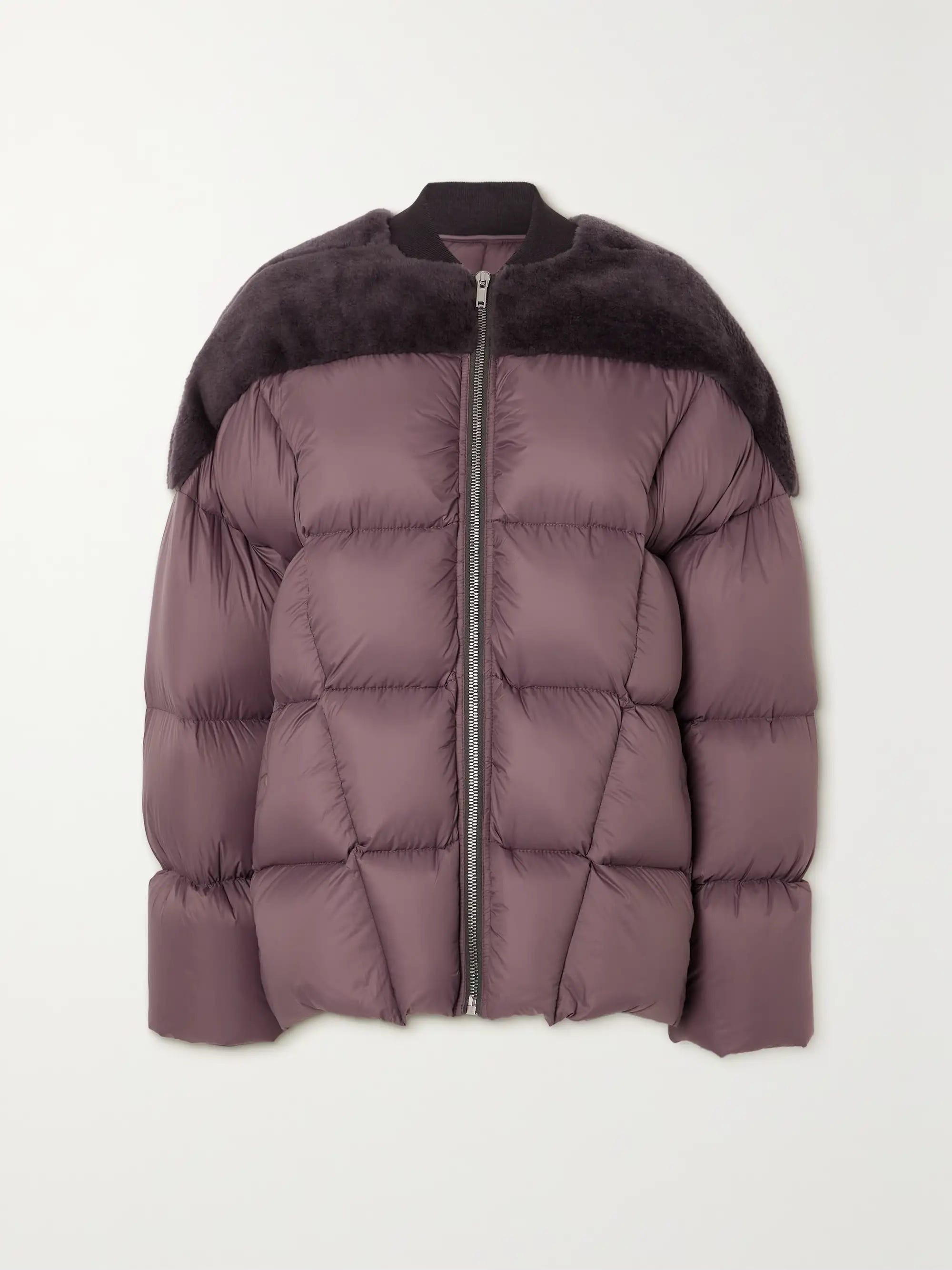
Another great puffer option for those who are into colour — the shade is a bit unusual, and I really like it. I love the shearling detail too; anything to escape a boring puffer. I also really like this one.
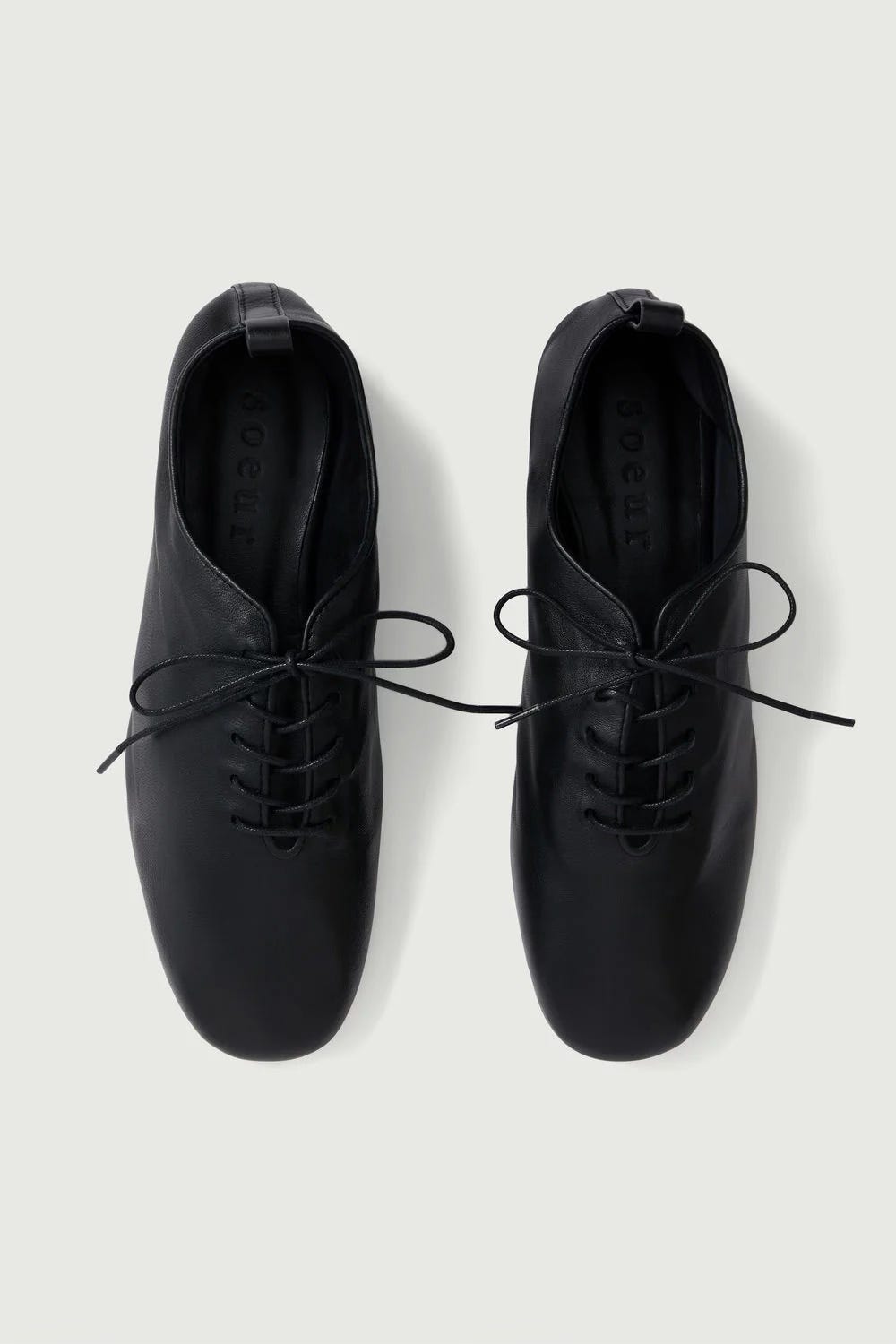
This style will be all the rage next season — it was a big part of the new Céline collection by Michael Rider. There’s also a Repetto version that some people suggest as a substitute, but I prefer this one.
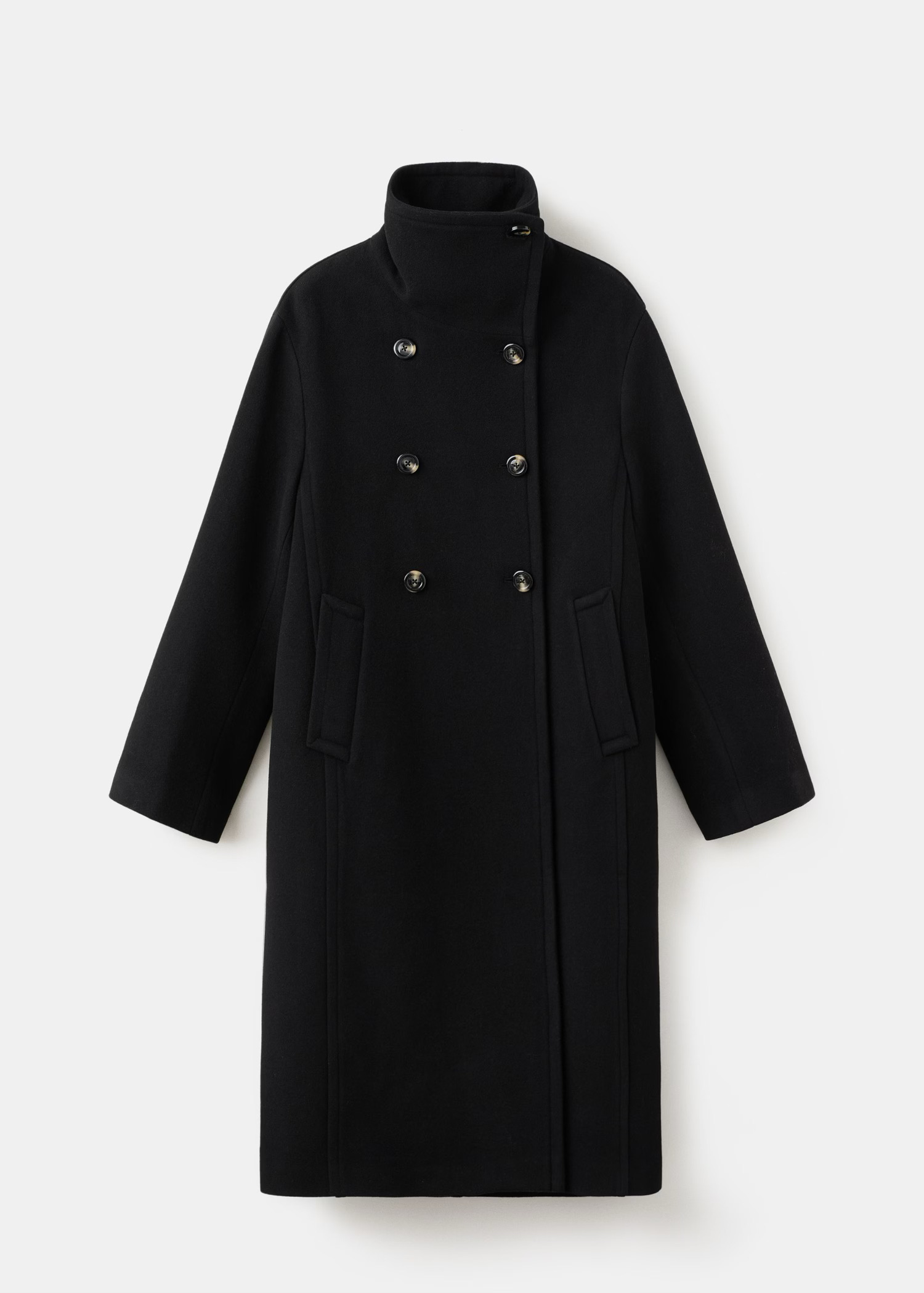
A great coat, probably inspired by Alaïa, with its stand-up collar and slightly rounded shape. It looks beautiful in both colours (there’s also an off-white version with contrasting buttons), and I would wear it with these boots.
The author may earn a small commission if you make a purchase through one of the links above. If you can, consider shopping via the link to support their ongoing field research (and stylish endeavours).
P.S. I’ve been updating my shopping picks over on my ShopMy account, so if you’re on the hunt for something—a dress for an event, a great shirt for the office, or the perfect pair of flats—have a browse.
Yana, I feel totally the same about craving for beauty in everyday life. I am from Moscow and though here is much better than in Siberia with historic places and contemporary design, I feel that in general there is lack of taste seen in type of post Soviet buildings, cities, interior design... And I also wonder how it is to grow up in countries that have stable evolving history and keep their traditions and beautiful crafts